


Buying New Condos in Bangkok: What Actually Makes a Good Investment

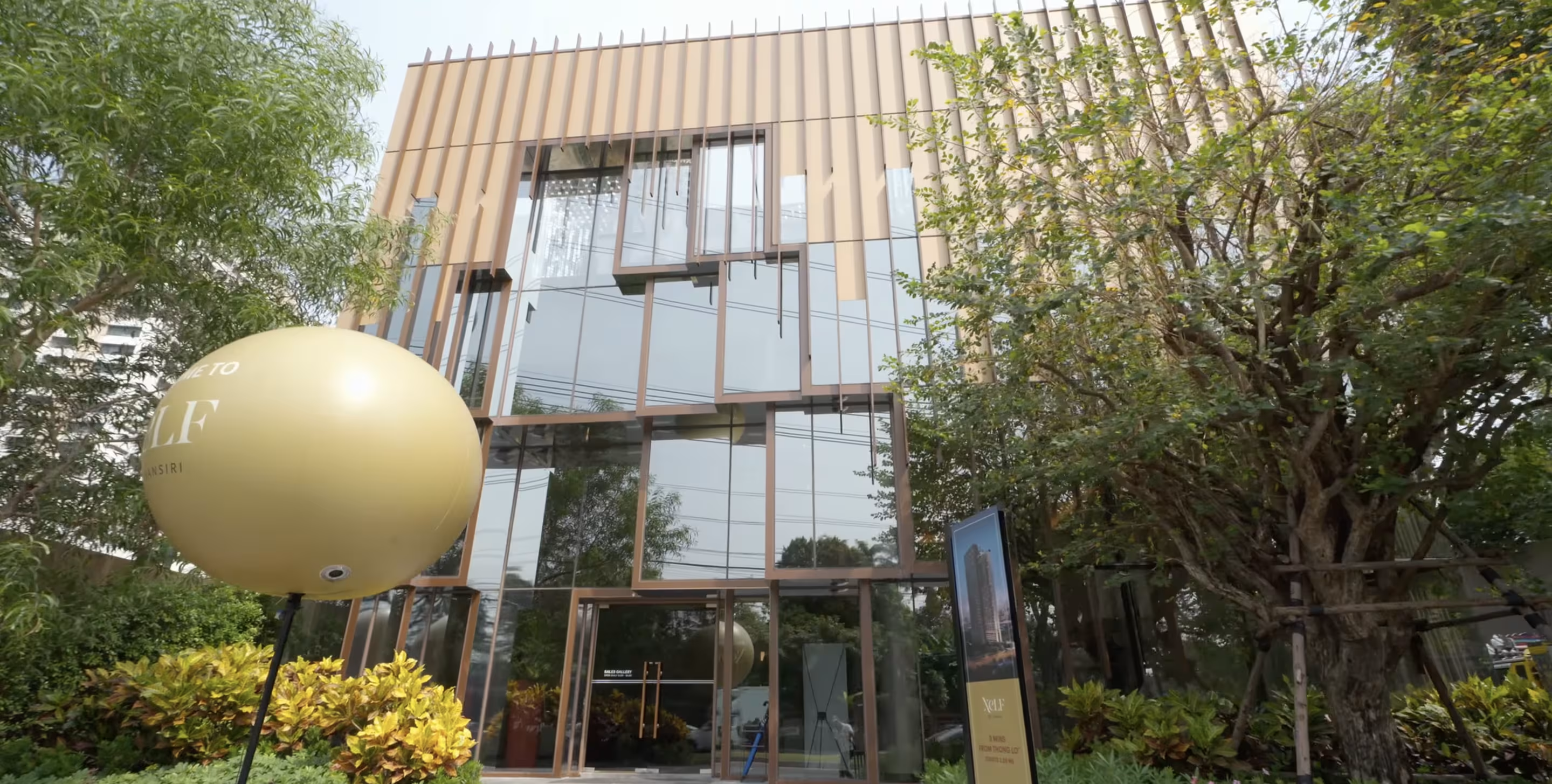
Bangkok property has a bad reputation. The headlines lean negative, and if you are new to the market, it is easy to walk away with the wrong impression. But in our experience, the people asking "is Bangkok property worth it" are asking the wrong question.
The right question is: which projects actually work in your favor? Get that right, and the investment case looks very different. Here is how we approach it.
Watch the full walkthrough above, or keep reading for the complete breakdown.
Why Bangkok's Off-Plan Market Works the Way It Does
Most developers in Bangkok launch their projects pre-sale, before construction begins. This is not unusual or risky by Bangkok standards. It is simply how the market operates.
Thai buyers have a long-standing preference for new builds. There is something genuinely appealing about being the first person to live in a space, and developers know this. So they structure the sales process around it, launching projects off-plan and building demand well.
For buyers, this structure creates three real advantages worth understanding.
First, price lock. When you buy a pre-sale, you lock in today's price for a property that will complete in two to four years. If the market moves in your favor during that window, you have captured a paper gain before you even take the keys.
Second, launch incentives. Developers need to sell units during the pre-sale phase to secure financing and demonstrate demand. That urgency works in your favor. Discounts, furniture packs, and other promotions are most aggressive at launch, not after.
Third, installment-based payment. You are not expected to pay the full purchase price upfront. The standard structure in Bangkok is a reservation fee of 100,000 to 200,000 THB, followed by 30% of the purchase price during construction, with the remaining balance due only on completion.
This gives you time to manage your finances and reassess whether the transfer makes sense when the time comes.
Some buyers also look at flipping their contract before completion, selling their purchase rights for a profit. This can work, but it carries real risk. Only consider it if you understand what you are doing.
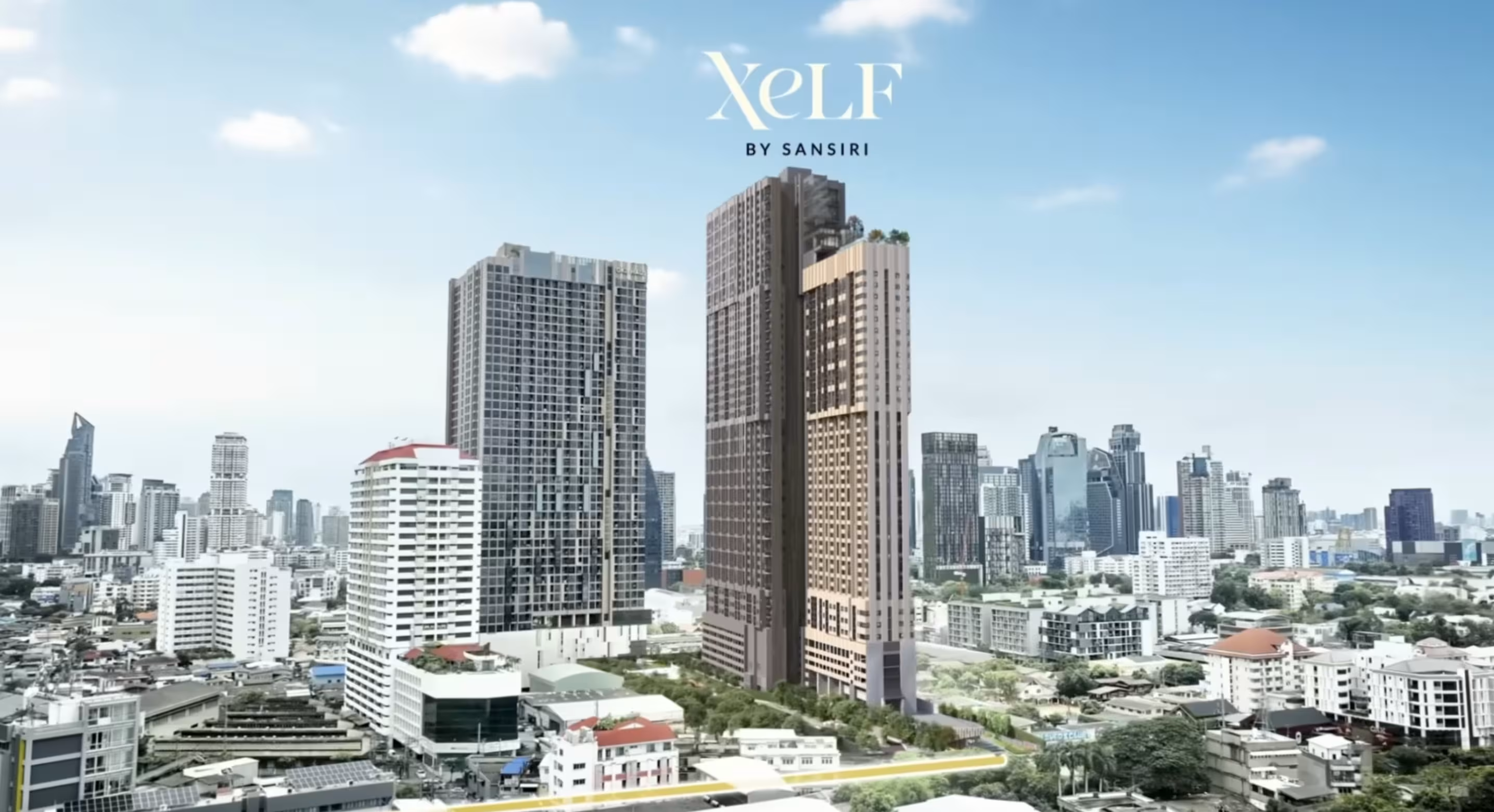
The Five Things Worth Evaluating Before You Commit
Not every new development will make you money. Not every project is worth your time. Here are the five things to look at when evaluating any new project in Bangkok.
1. Location
This one is non-negotiable. Ask yourself:
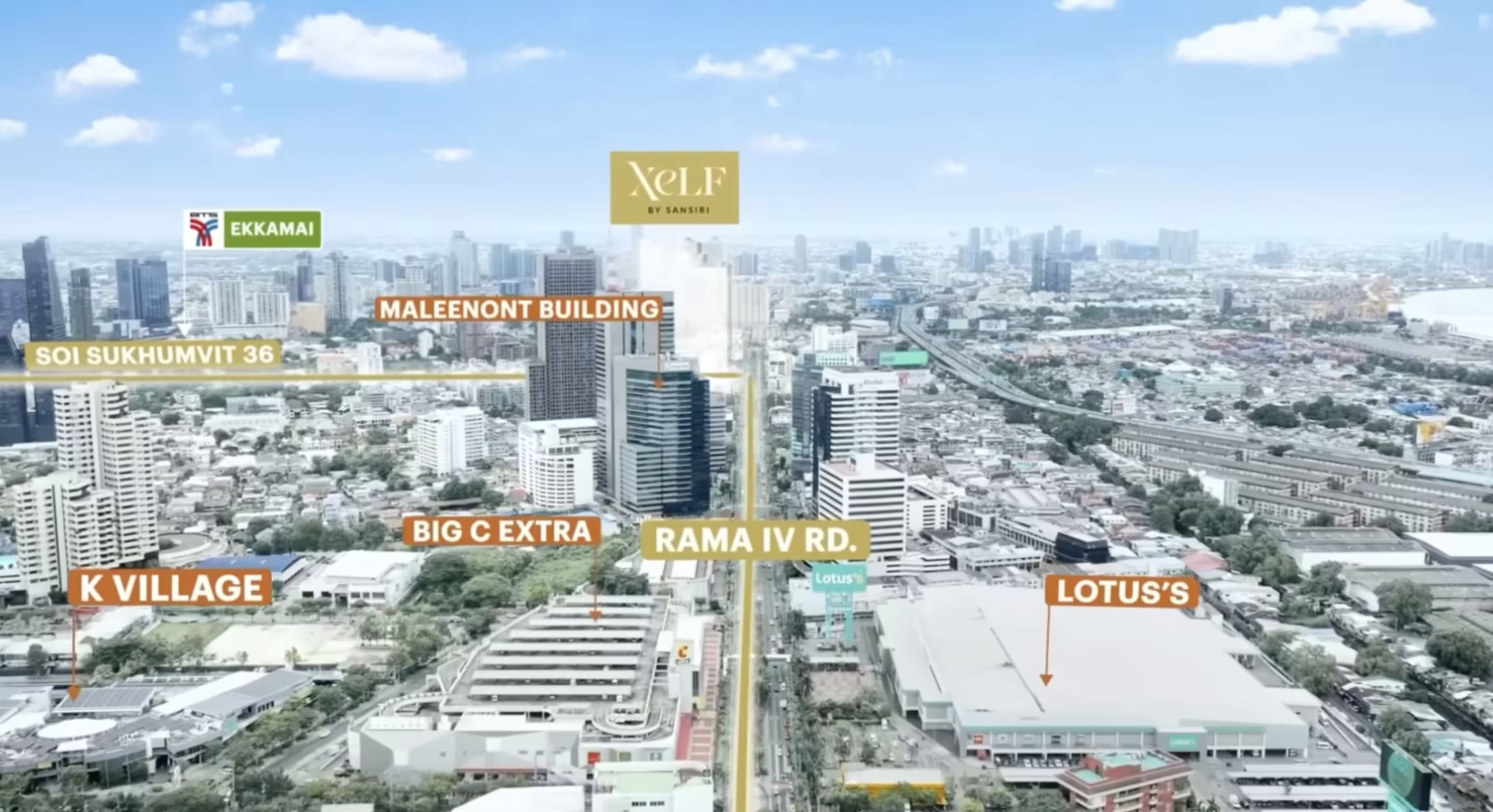
- Is the project close to BTS or MRT? Bangkok's mass transit network is the backbone of daily life here. Proximity to a station matters enormously for both liveability and resale value.
- Is there easy access to major roads or expressways?
- Is there a genuine lifestyle offering nearby? Think restaurants, coffee shops, and shopping within easy reach.
- Is the project connected to office and commercial hubs?
Location is everything in Bangkok real estate. A well-priced unit in a poorly connected location will underperform a similarly priced unit near a BTS station almost every time.
2. Project Concept
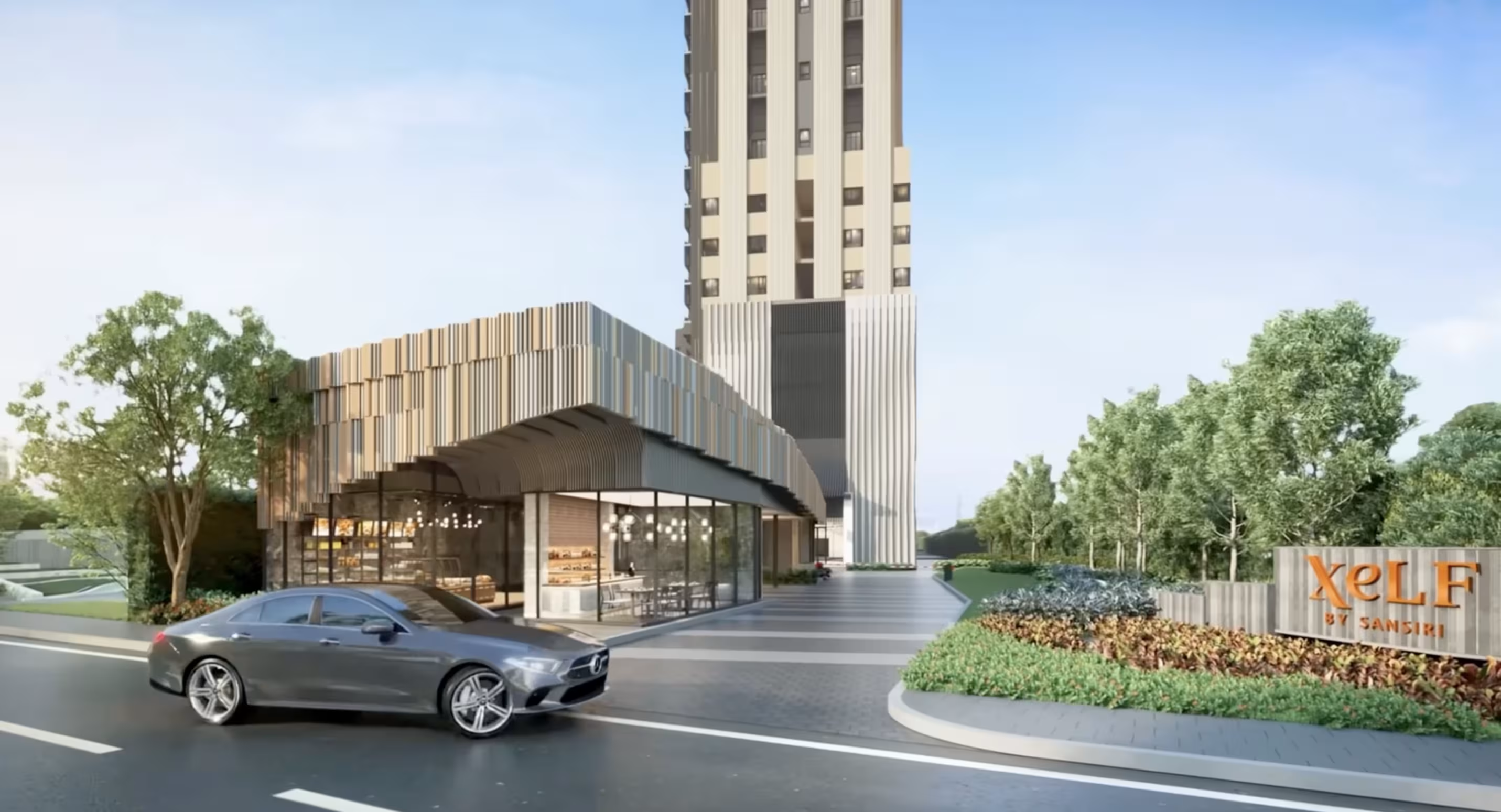
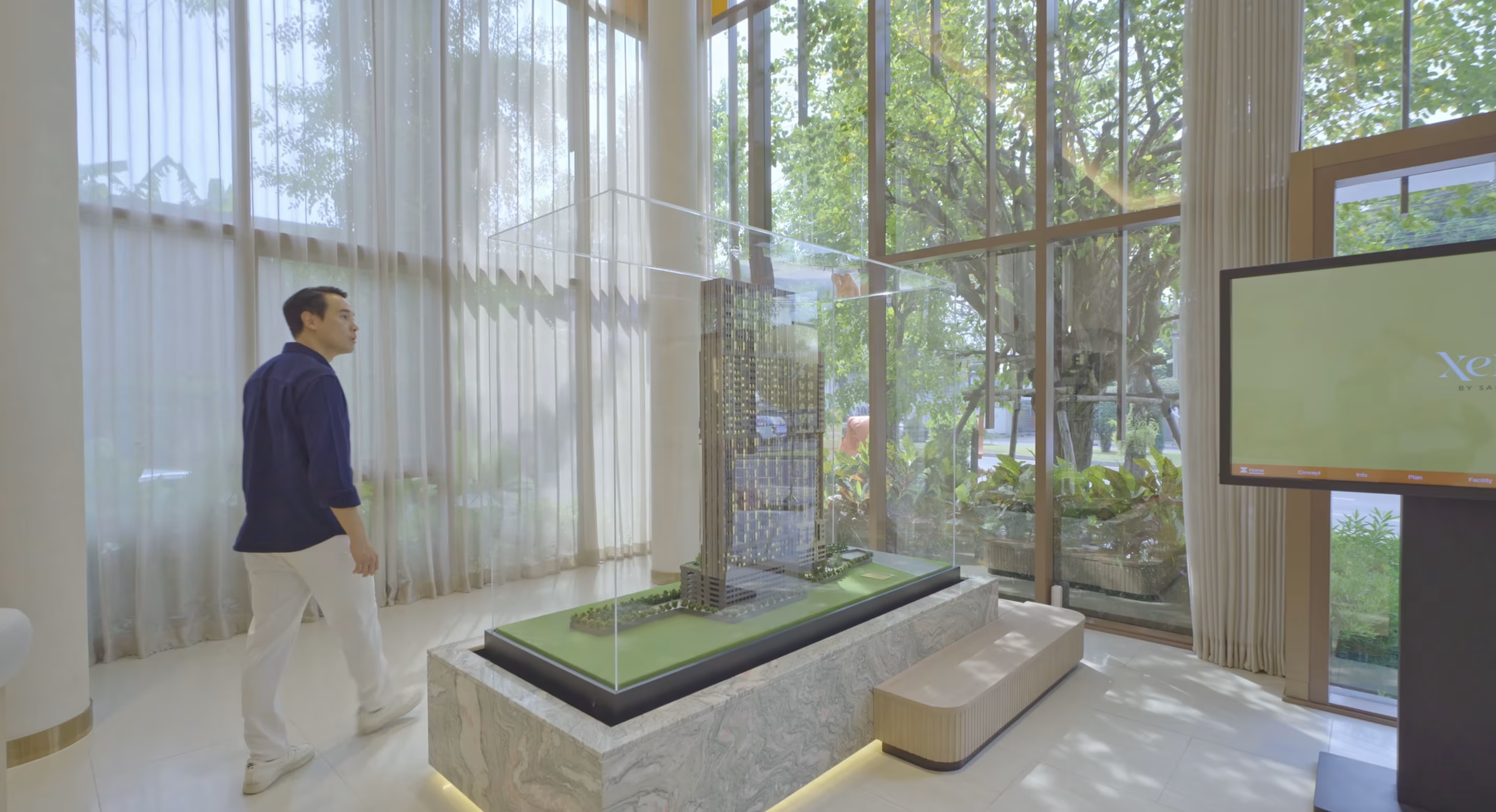
When you are buying off-plan, you are working from CGI photos, a brochure, a sales presentation, and maybe a show unit. The physical building does not exist yet. So you have to evaluate the concept carefully.
Almost every condo in Bangkok has a pool and a gym. That is not a differentiator. What you are really asking is: Does the architecture make sense? Does the design match the intended resident? Does anything about this project stand out?
If the project targets working professionals, does it have generous social spaces? A large pool? A co-working area? If it targets families, are there kids' facilities?
The project concept is not just aesthetics. It is a lifestyle proposition. The right residents need to want to live there for the project to hold its value over time.
3. Unit Layout and Orientation
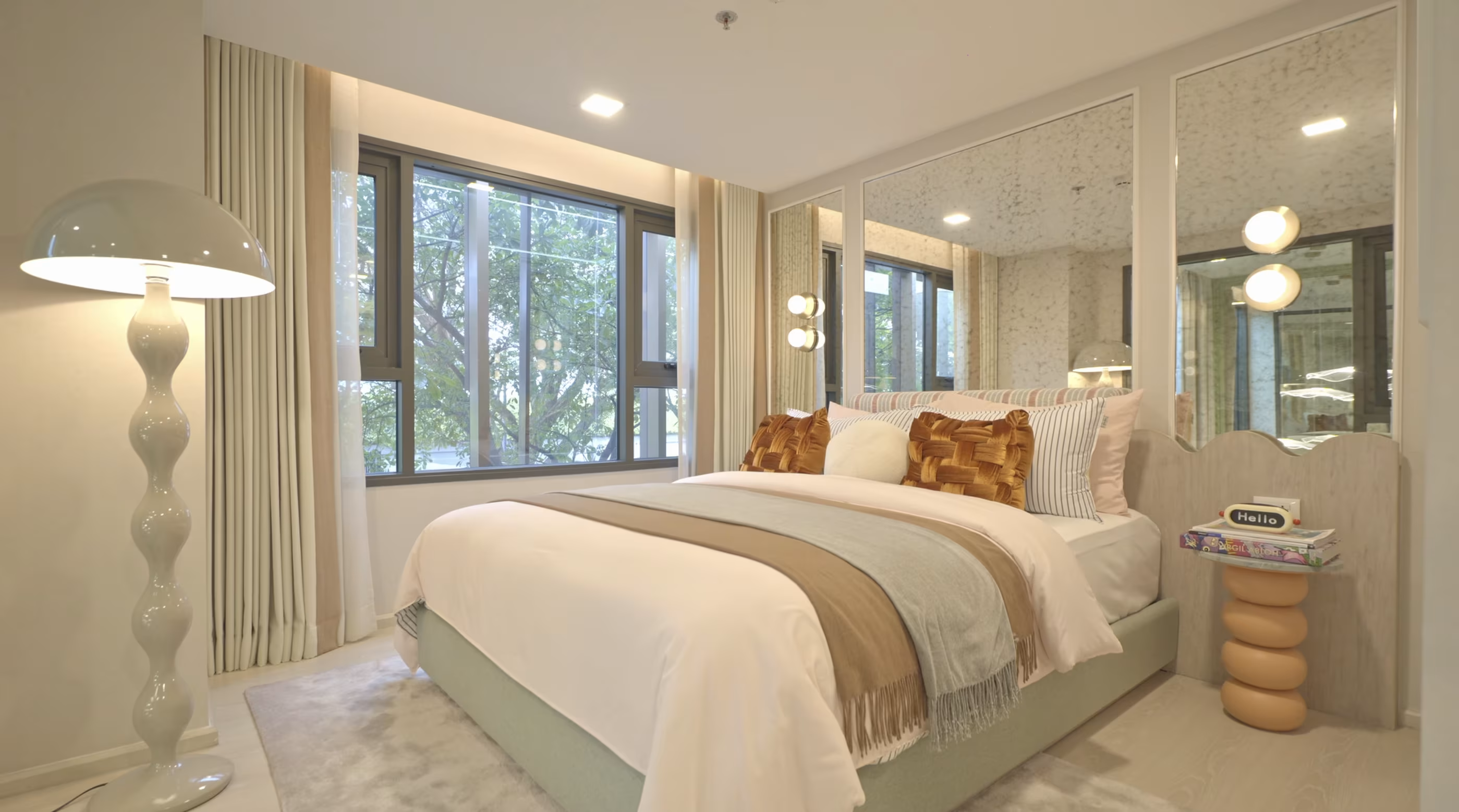
A unit that looks good in a floor plan brochure does not always feel good to live in. When you are reviewing layouts, look at whether the space flows naturally. There are two things I always flag:
Watch the orientation. If your unit faces an empty plot of land, that plot could become a tower in three years. Blocked views and reduced natural light hit resale value harder than most buyers anticipate.
Understand the common area and management fee. This is calculated per square meter and paid annually. It covers building maintenance and services. Ask what it is before you commit, and compare it to similar projects in the area. A higher fee is fine if the services justify it. A high fee for a mid-market project is a red flag.
4. Pricing
New developments always carry a premium over secondary market properties. That is the reality. Land acquisition costs are higher. Construction costs are higher. And developers price in the value of newness.
What you need to determine is whether the price per square meter is competitive against other new and resale projects in the same area. Is it in line with comparable developments? Does the quality of the build, the finishes, and the location justify where it sits?
If you buy at the right price point, your investment thesis is sound from day one. If you overpay at launch, you are starting from behind.
5. The Developer
This is the factor that gets overlooked most often, and it arguably matters more than any of the others at the project evaluation stage.
Established developers build better. They have completed projects, maintained buildings, and delivered on promises across multiple developments. That track record is evidence. A developer launching their first project has no equivalent proof.
There is also a brand premium that is very real in this market. Buyers of resale units will pay more for a property from a top developer because the name carries implied quality and management standards.
Think of it like luxury goods. The prestige of the brand and what it signals to the next buyer often matters as much as the product itself.
In Bangkok, developers like Sansiri, Supalai, and AP Thailand have track records that newer entrants simply do not. When I look at a project from one of these developers, I have a baseline of confidence that I do not have with an unknown name.
Is the Bangkok Property Market About to Crash?
It is one of the most common questions we get, and it deserves an honest answer. Real estate is cyclical and that is true of every market in the world, including Bangkok. Prices rise, adjust, and the cycle continues.
What we do know, from years working in this market, is that Bangkok has structural features that distinguish it from markets where speculation runs unchecked.
The Thai foreign quota regulation is the most important of these. By law, 51% of any condo project must be owned by Thai nationals or Thai entities.
That means every developer, no matter how internationally focused their marketing, has to make a product that the local market will actually buy. It is a meaningful constraint on the kind of developer-driven excess you see in markets without such protections.
Established developers listed on the Thai stock exchange have additional accountability. These are multi-billion-baht developments. They conduct extensive market surveys and feasibility studies before committing. They are not building on hope.
None of that guarantees every project is a good investment. But it does mean the structural risks that critics point to are not as unchecked as the online commentary suggests.
Right now, with developers offering aggressive incentives and the long-stay visa making extended residency in Thailand genuinely accessible, there are real opportunities for the right buyer with the right time horizon.
And that time horizon matters. When you buy off-plan, you are buying today for something that will complete in two to four years. So the relevant question is "where do I expect things to be in two to four years?" That is the mindset the investment requires.
How to Start Evaluating What Is Actually Worth Your Time
If you’re seriously considering buying a new development in Bangkok, start with the five factors: location, project concept, unit layout, pricing, and developer. Run every project you are looking at through that filter before you go any further.
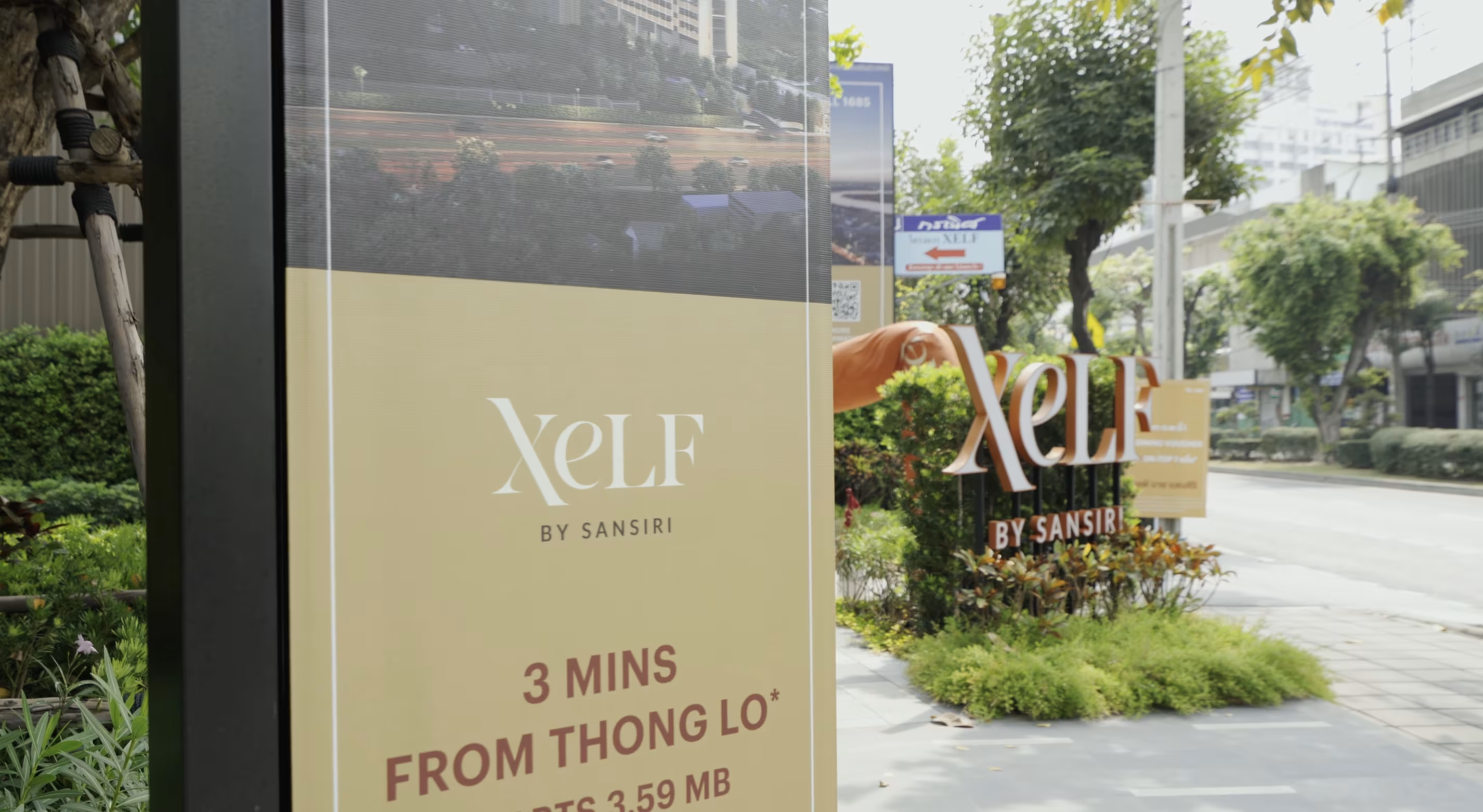
XELF by Sansiri is one of the projects that is worth a closer look right now. Explore the full details, unit types, and pricing on OneListed.
If you want guidance on what is currently available across Bangkok's new development market, my team is here to help. Contact us and get a free consultation.