



















Renting a Condo in Bangkok: A Practical Guide for Tenants


- Renting in Bangkok requires three months upfront: one month booking deposit and two months security deposit.
- Tenants pay their own electricity, water, and internet, but pay no residency tax and no common area fees.
- Most condos do not allow pets, and pet-friendly buildings usually cap dogs at 5 kilos. Never sneak a pet in.
- Thailand has no real estate licensing, so reference-check your agent and keep a paper trail for every payment.
- A 5 to 10% rent discount is normal. Longer leases, upfront payment, a strong tenant profile, and simple politeness all improve your position.
- Get an inventory checklist with photos at move-in and do a proper in-person walkthrough at checkout to secure your deposit refund.
Renting a condo in Bangkok can seem overwhelming at first, particularly for newcomers unfamiliar with the local rental market. From understanding lease agreements and upfront costs to choosing the right neighbourhood, there are several important factors to consider before signing a contract.
This is the complete guide on how to rent a condo in Bangkok, written for expats, relocators, and anyone moving to the city who wants to avoid the common traps.
It covers how leases work, what you pay upfront, the pet rules that often surprise tenants, where to search, how to negotiate, who fixes what, and how to get your full deposit back when you leave.
Once you understand the rules, renting here is straightforward.
Watch the full guide above, or keep reading for the complete breakdown.
How Renting Works in Bangkok
Most condos in Bangkok are advertised on a long-term basis, meaning a 6 to 12 month lease. When you sign, expect to pay a total of three months’ rent upfront, which is broken down like this:
- One month booking deposit, which becomes your first month’s advance rent
- Two months security deposit, refunded at the end of your lease
On top of rent, you cover your own utilities. To give you a sense of scale for a one-bedroom condo (pricing as of July 2026):
- Electricity: 1,000 to 3,200 THB per month
- Water: 150 to 300 THB per month, genuinely cheap
- Internet: 800 to 1,500 THB per month depending on the speed you choose
Two things work in your favor here. There are no residency taxes for tenants in Bangkok, so you don’t pay tax on the fact that you live somewhere. And the building and common area fees are the landlord’s responsibility, so you won’t see a maintenance fee line on your bill.
Renting With Pets: What Bangkok’s Rules Actually Mean for You
This is the one that surprises people the most. Bangkok is not an easy city for pet owners, and you need to plan around it from day one.
Most condos do not allow pets at all, but small caged pets like hamsters are usually fine. Among the buildings that do welcome pets, most only allow small dogs under 5 kilos: Maltese, poodles, Chihuahuas, Pomeranians. If you have a midsize or large breed, finding a building that will take them is difficult.
Pet policy enforcement in Bangkok condos is a legal matter, not a building preference. Juristic offices have taken unit owners to court over undisclosed animals and won. A tenant keeping an undisclosed pet has even less legal standing than an owner in the same situation.
Some building management offices are strict enough to force a termination even when your landlord agreed, because the building’s own regulations override your private arrangement.
The only reliable approach is to rent in a building where the pet policy is clearly stated and covers your specific animal.

Where to Search for a Rental
In 35-degree Bangkok heat, you want to compare options from the comfort of your sofa, not by wandering the streets. There are three main places to look.
- Property portals. These aggregate listings from both direct landlords and agencies, and let you filter by area and budget. The easiest starting point for comparing lots of units quickly.
- Facebook and Facebook Marketplace. Fast access to listings, some posted directly by landlords, though most are still agencies. Browse with caution here, because anyone can post and there is the occasional scammer.
- Property agency websites. The most traditional route. Many are built for expats and relocators, so they are in English and easy to compare. Often the most efficient way to find your next home.
Does Walking Into Buildings Get You a Better Deal?
You’ll hear this advice a lot: skip the agents, walk into buildings, ask for available rooms, cut out the middleman. In practice, this advice doesn’t hold up, for two reasons.
First, the heat and distances mean you simply can’t visit enough buildings to make it worthwhile, and when you arrive you have no idea whether that specific condo even has availability in your budget.
Second, the "cut out the middleman" logic is a myth. Walk into a building and you meet the management office, not the owner. That office often charges the landlord a rental fee, takes a referral fee, or works closely with an agency they’ll simply pass you to.
There’s a fee somewhere in the chain either way. Walking in does not unlock a secret cheaper price.
Where Should You Rent in Bangkok?
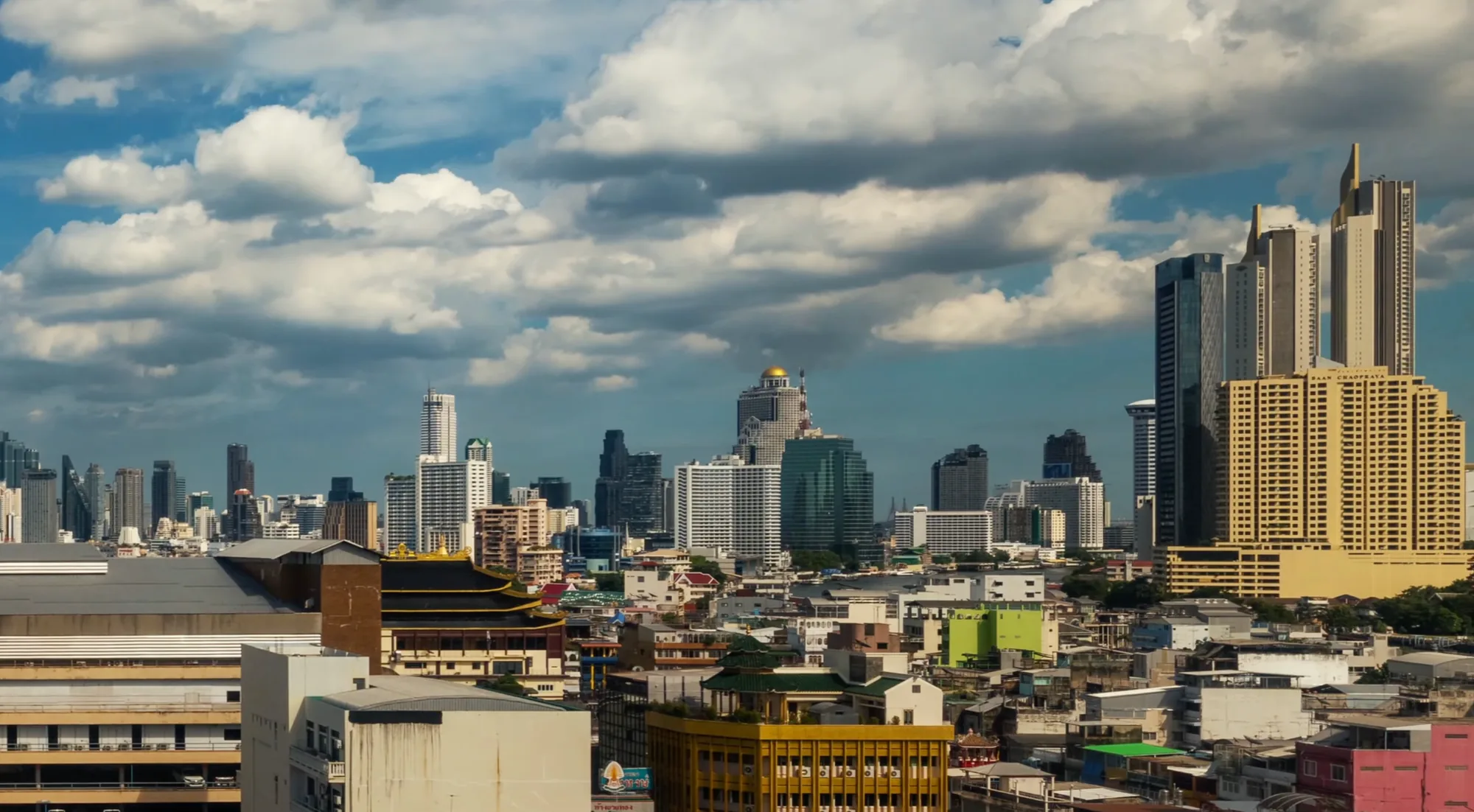
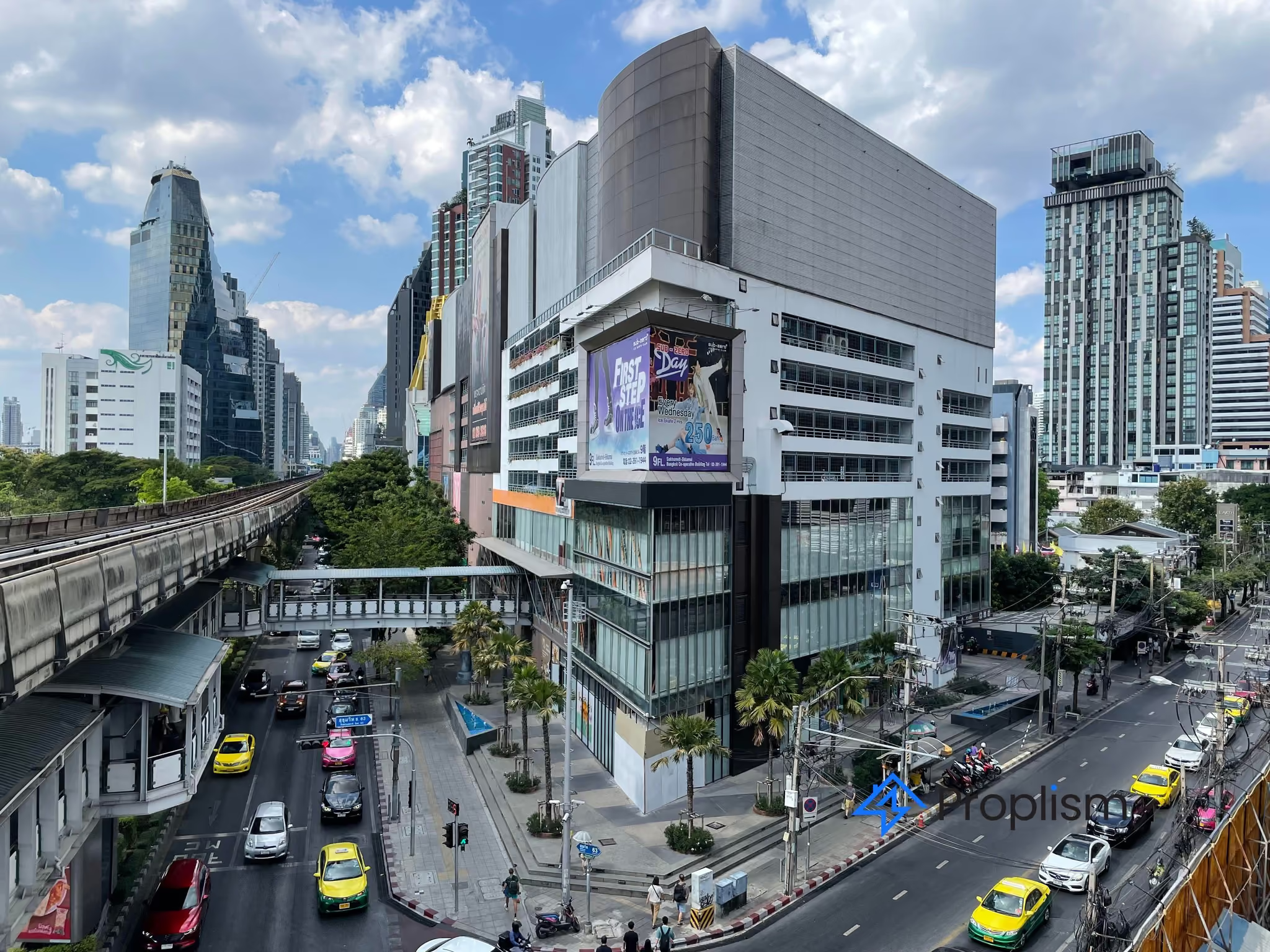
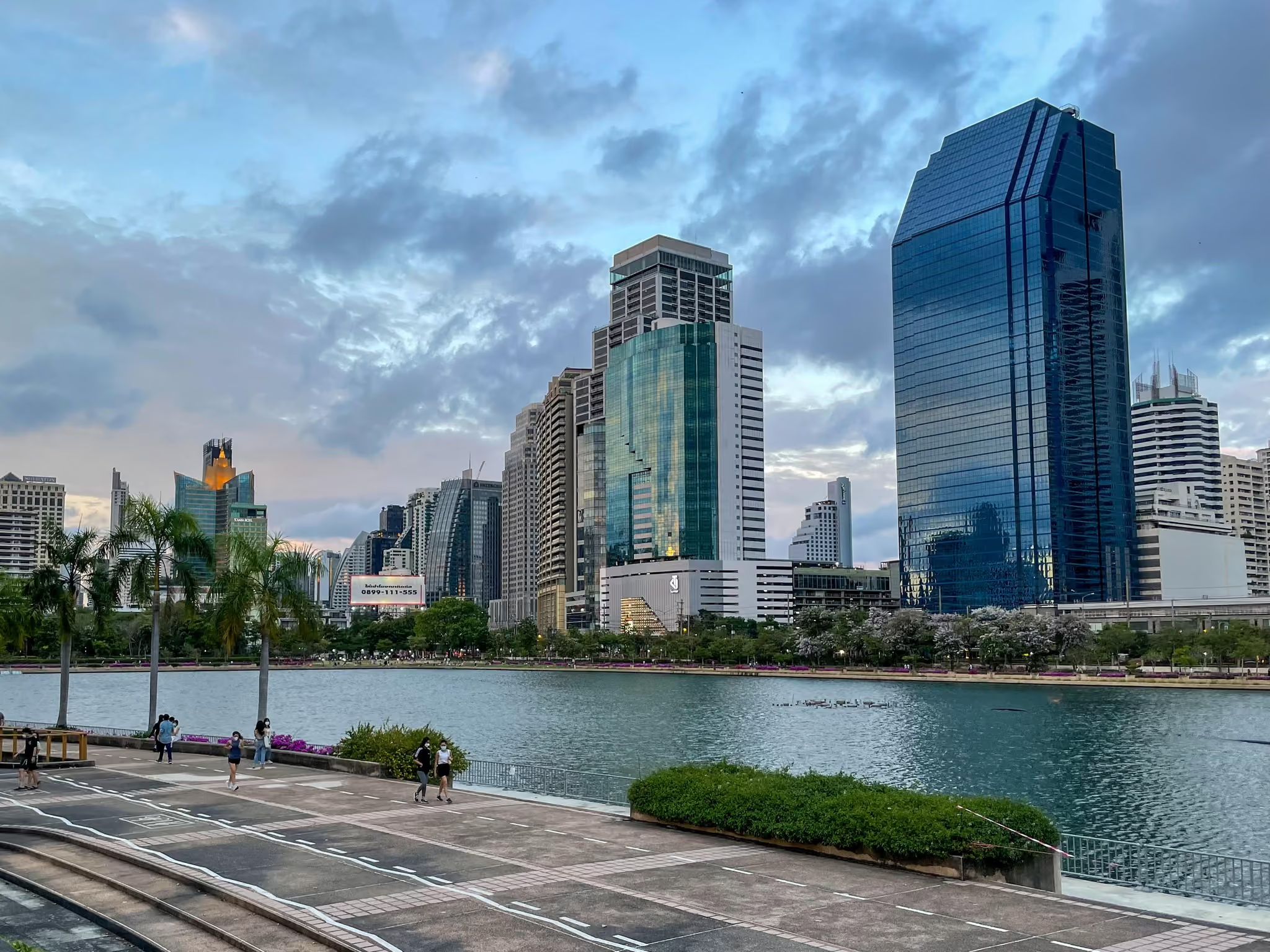
If you want the best restaurants, shopping, nightlife, and a short commute, you want the Central Business District.
That covers areas like Phrom Phong, Asoke, Silom, Sathorn, and Rama IV. These are the most popular zones because everything is there, which is exactly why rents run at a premium.
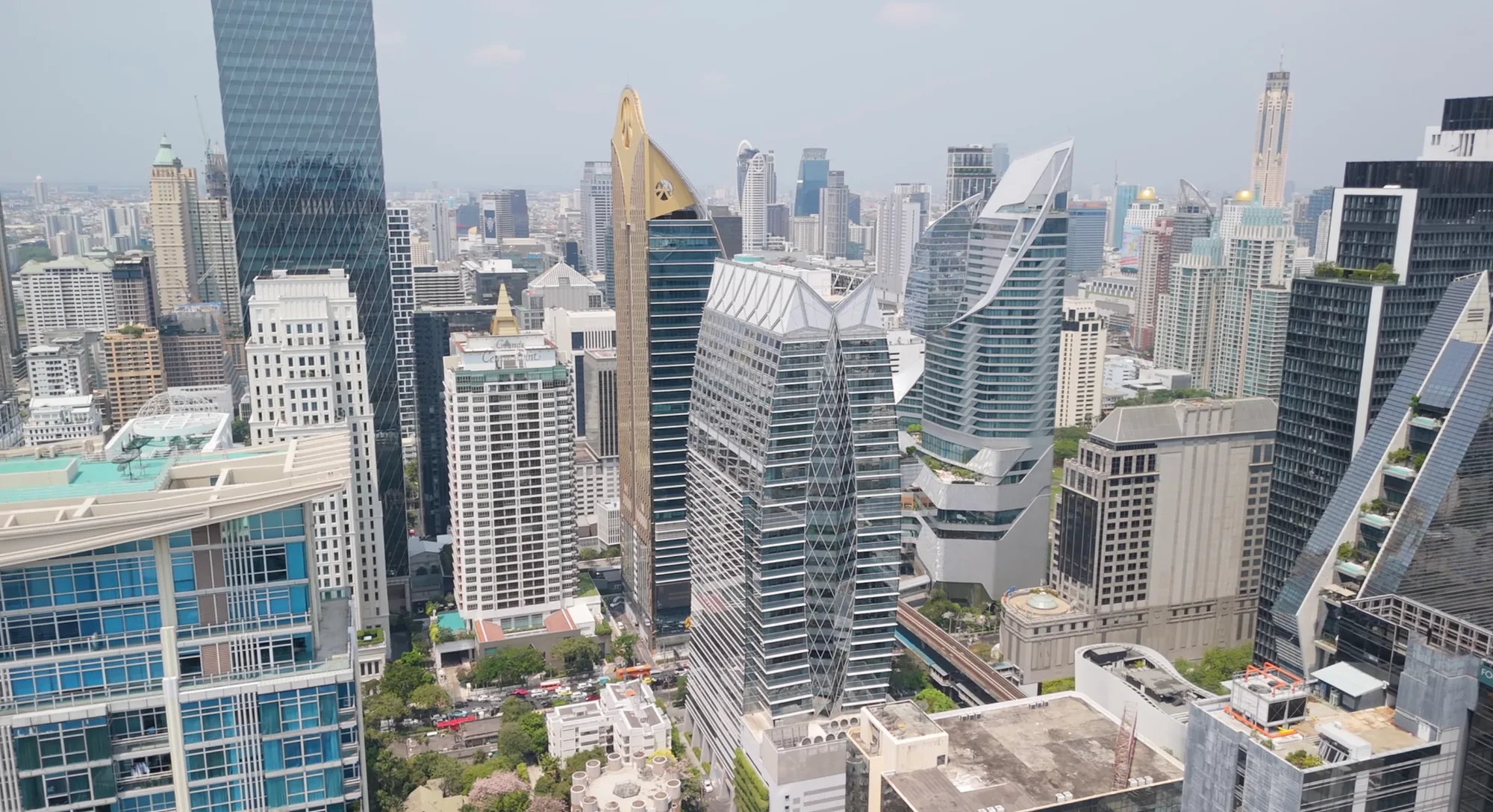
Three factors drive the price of any rental:
- Location. Sit in the middle of the action and you pay a premium.
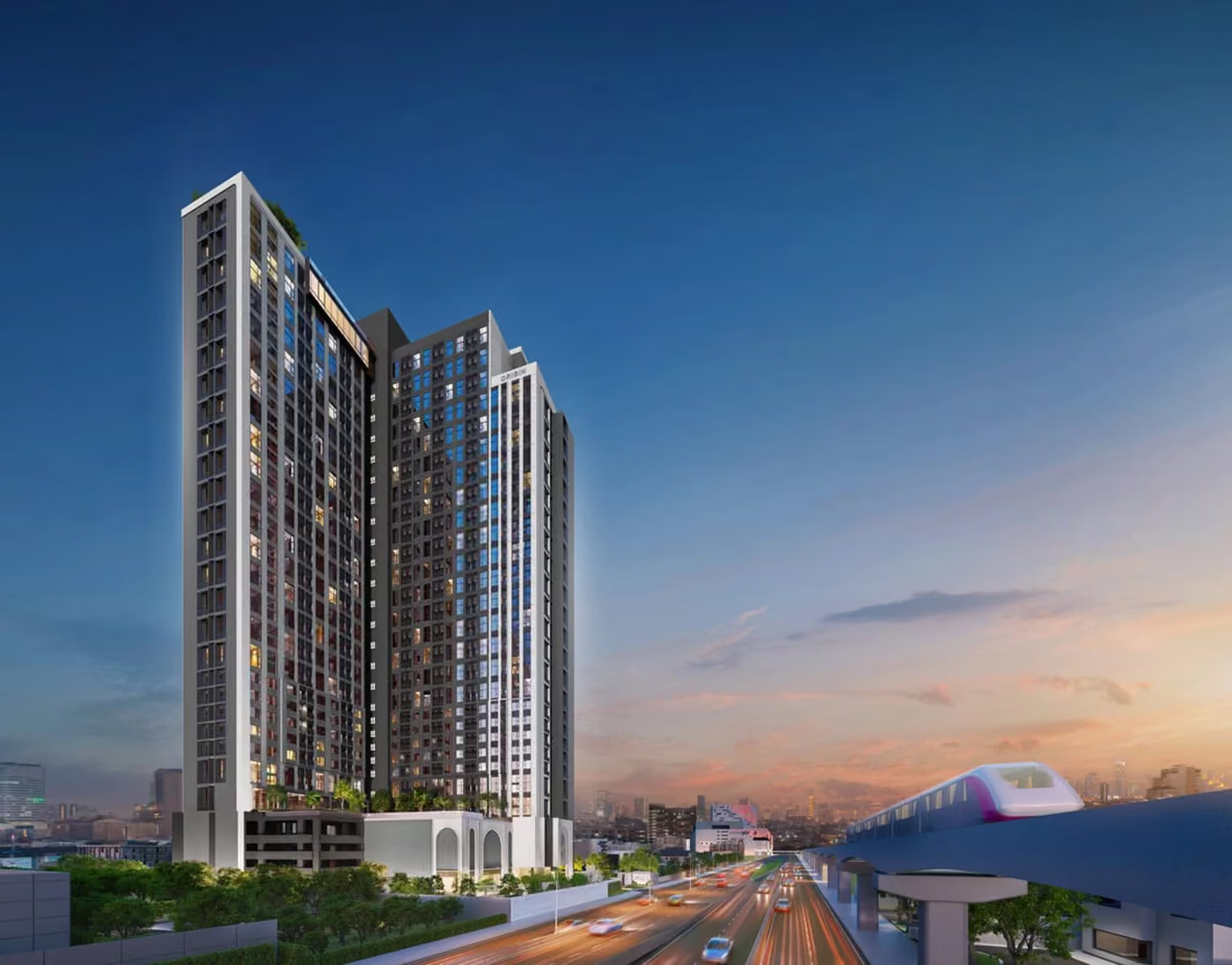
- Proximity to transit. The closer a condo or house is to a BTS or MRT station, the more expensive it tends to be.
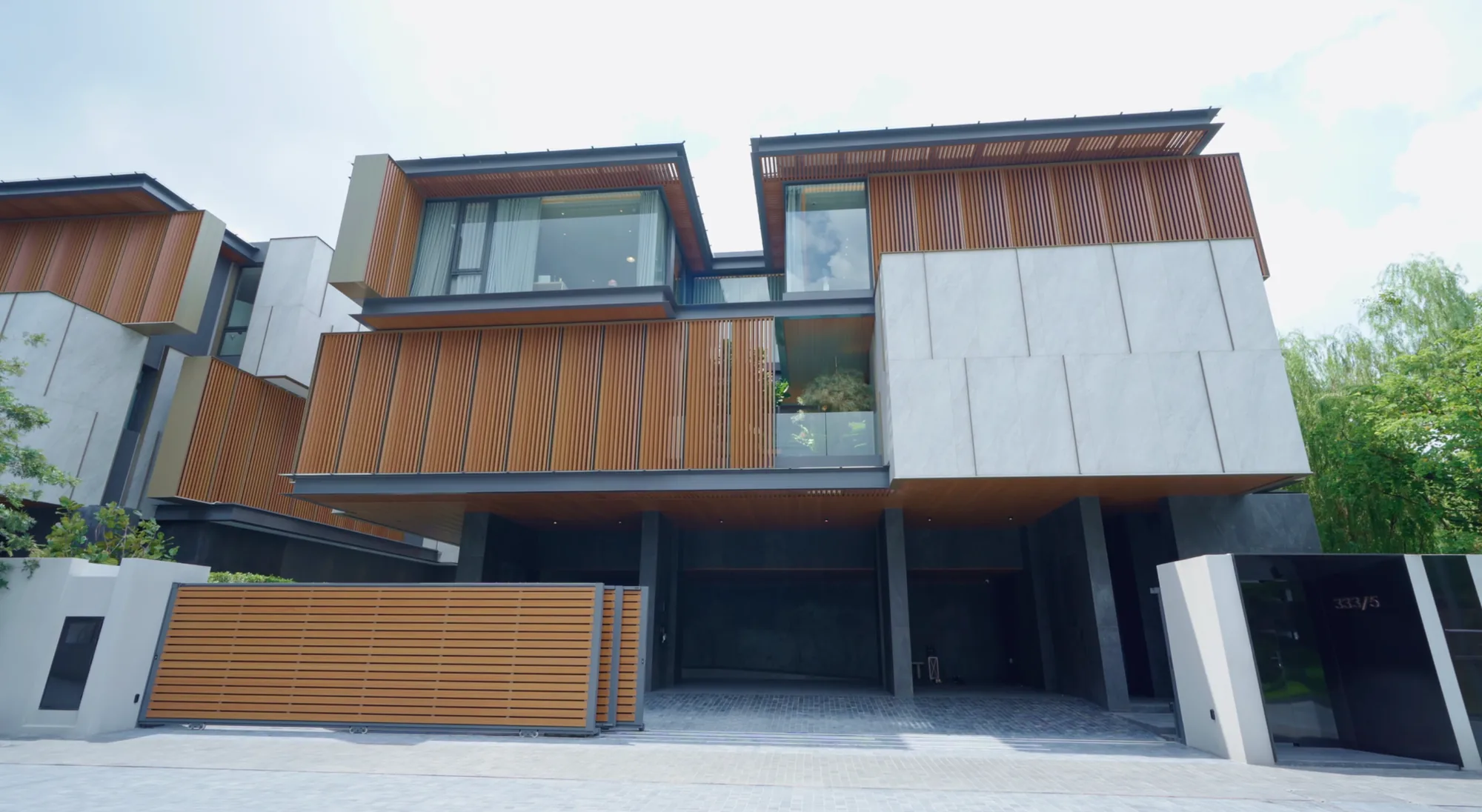
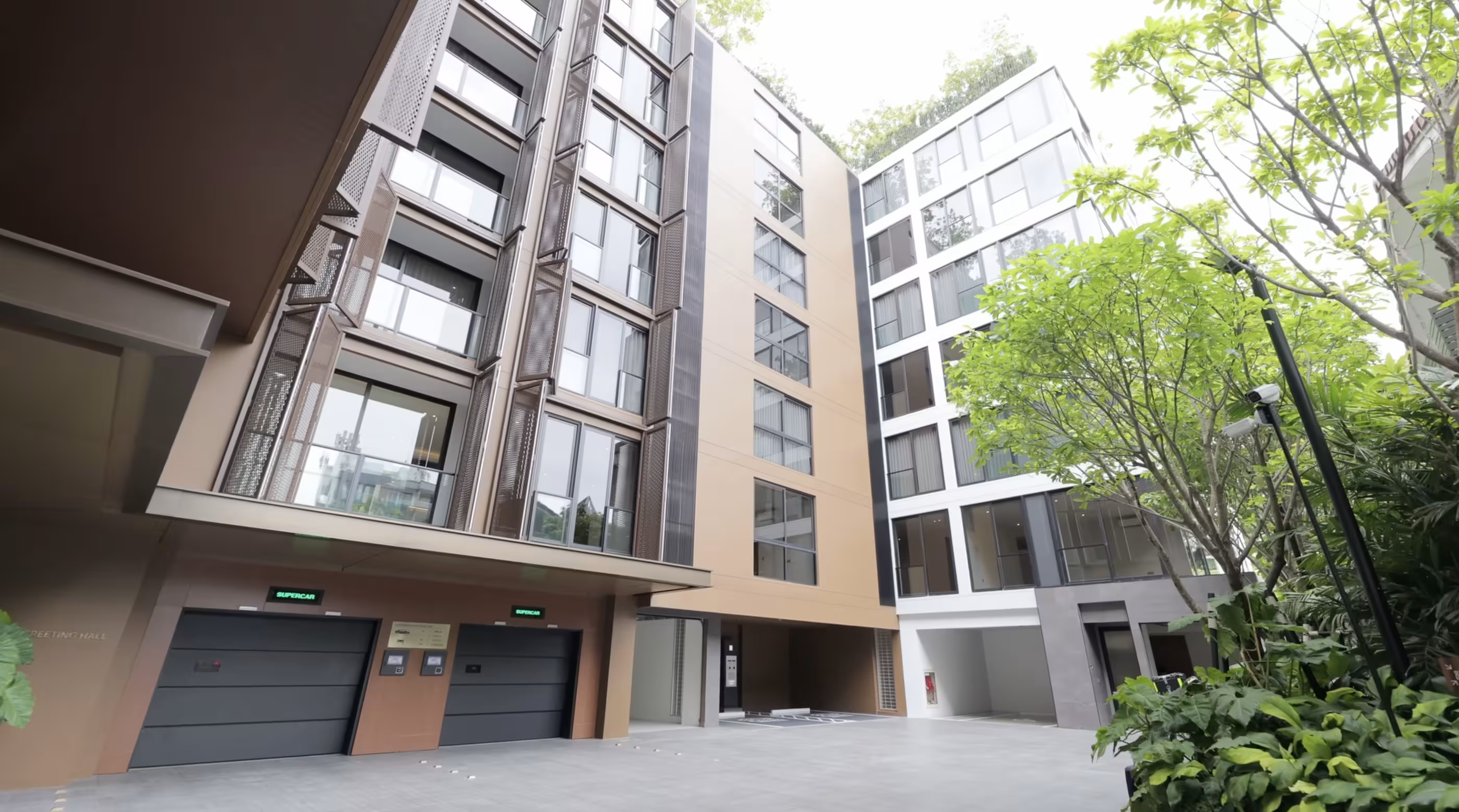
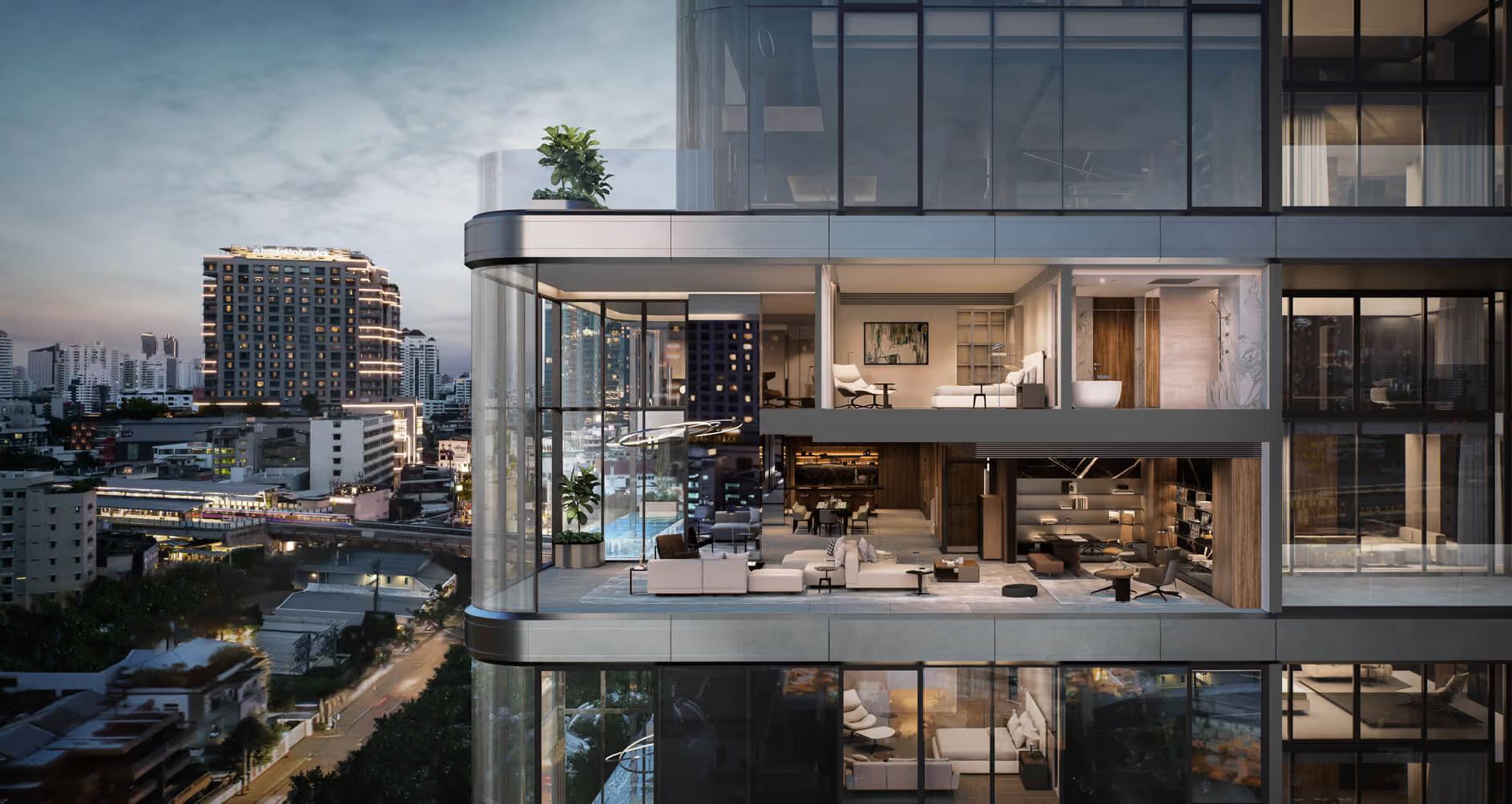
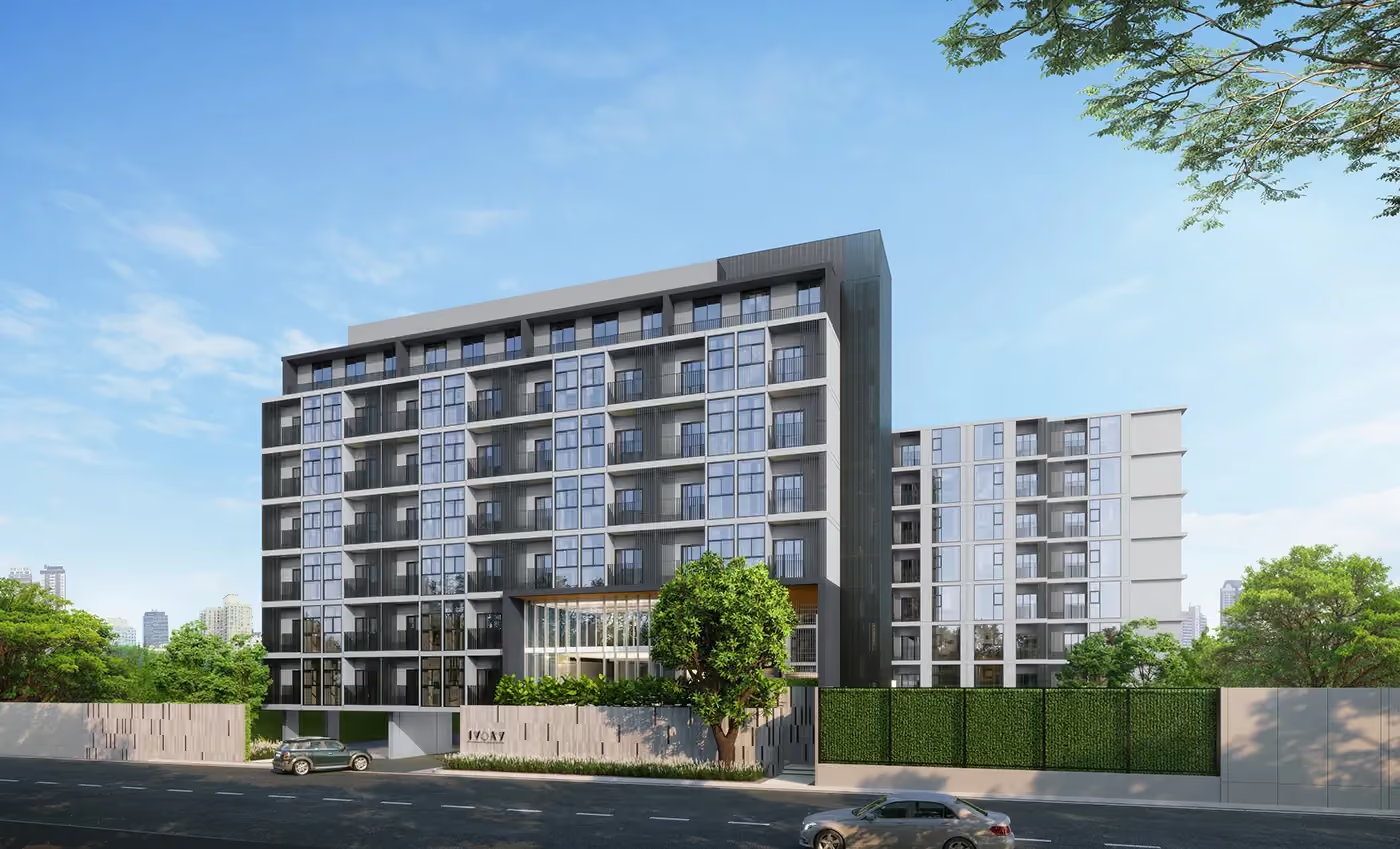
- Age of the building. Older condos, generally those over nine years old, feel more dated but usually offer larger layouts at more affordable prices. Newer buildings from the last five years come with better facilities, but the units are often more compact because that space had to come from somewhere.
Old or new is a genuine trade-off, and the beauty of renting in Bangkok is the diversity. You can pick and mix to match your budget and your priorities.
Working With a Property Agency (and Avoiding Scams)
Most renters end up working with a property agency, because it saves time and someone lays out the options so you can compare fast.
One important thing to understand: there’s no licensing system for real estate agents in Thailand. Anyone can operate, so service standards vary enormously.
Protect yourself with a quick reference check. Look at the agency’s website, their social media presence and content, their follower count, and their Facebook or Google Business reviews. That gives you a real feel for whether they can be trusted.
Also worth knowing: Bangkok rentals rarely use exclusive agency agreements. A single landlord usually hands the same unit to several agencies, so stick to two or three agents maximum. Any more and you get heavy overlap on the same properties, which just creates confusion and conflict.
When money and paperwork are involved, follow these rules to stay safe:
- Keep a paper trail. Transfer deposits bank account to bank account so there is proof of the transaction.
- Get a receipt every time you pay anything.
- Know who you’re paying. Get an ID card or business documents for the person or agency receiving your money.
- Before signing, get the landlord’s ID, read the lease agreement carefully, and insist on a full inventory checklist with itemized photos of every item in the unit. Things go missing, and you don’t want a dispute over a table that was never there.
Finally, when your lease starts, register with the building management.
It matters for health and safety records in an emergency, and it doubles as a quiet verification step: if the juristic office registers you, it means your landlord gave them the authority to do so, which confirms you are renting from the real owner.
How to Negotiate Your Rent in Bangkok
Bangkok has an open, accepted culture of negotiation. Ask for a better price, just do it professionally and politely. Here are the levers that actually work.
- Push your personal profile. If you can show proof of income, a strong employer, or a solid tenant profile, highlight it. Many landlords will accept a lower rate for the security of a reliable tenant.
- Use your move-in date. Time is money, and landlords prefer a tenant today over one next month. Start searching about a month before you need to move, then use lines like "I can pay the booking deposit today and move in next week." That pressure often brings the price down.
- Offer a longer lease. The standard is one year. If you know you’re staying, ask for 18 months, two years, or even three. Landlords love recurring income, so a longer commitment gives you real leverage.
- Offer upfront rent. If you can pay 6 or 12 months in advance on move-in, that is a serious bargaining chip for a bigger discount.
- Be polite and respectful. In Thailand, politeness and mutual respect go a long way. Good communication and a friendly approach can help build trust, making landlords more open to negotiating favourable rental terms.
Realistically, a 5 to 10% discount is very common. Pushing for 15 to 20% is hard negotiation and depends entirely on how good your agent is and how flexible the landlord is. It’s case by case, so weigh it against your own priorities.
Who Pays for Maintenance and Repairs?
Most standard Bangkok leases split repair responsibility by cost. Minor work under roughly 1,500 to 2,000 THB is the tenant’s responsibility.
That covers small things like a blown light bulb or routine air-con cleaning, which you should do every 3 to 6 months. The juristic office or building management can usually arrange a technician for you.
Bigger problems that aren’t your fault fall to the landlord. If your fridge dies after two months through no fault of yours, that’s the landlord’s bill to fix.
Damage you cause is on you. Drop a microwave and shatter it, and you replace it or compensate the landlord. The same goes for anything more unusual, a cracked window, damaged shared property, whatever the situation.
The point is that Bangkok has clear processes for who pays for what, no matter how the damage happened.
How to Protect Yourself and Get Your Deposit Back
The best protection is prevention. Two habits make the difference.
Report issues immediately. If you spot a problem when you move in or during your lease, such as a damp patch in the bathroom that’s spreading, tell your agent and landlord straight away. If you wait until move-out, the landlord may blame you for the damage.
Get a proper inventory checklist before you move in. This is an itemized list with photos of every piece of furniture, every appliance, and the room layout. At checkout, both sides refer back to it, so any dispute over a stain or a scratch on the dining table can be settled with the original photo.
Bangkok checkouts are old school. They happen in person, with the agent and landlord present, as a formal walkthrough of every room, every appliance, and every piece of furniture. Insist on it.
Don’t leave the keys with the juristic office and let others inspect later, because the walkthrough is when damages and issues are agreed.
Before you hand over the keys, tie up the loose ends:
- Pay the final water and electricity bills
- Clean the unit properly
- Make sure the air-con has been serviced
Treat it as a move-out, not a hotel checkout. Don’t leave a dirty toilet or food in the fridge, or a landlord may charge you for cleaning. Do all of this and you can generally expect your security deposit back within 15 to 30 days.
Why Getting This Right Matters
Renting in Bangkok is straightforward once you know the rules. The biggest wins come from choosing the right area and the right building for how you actually want to live, not just picking the first listing that looks good in photos.
Sort out your budget, your must-haves, and your pet situation upfront, and the rest of the process, from viewing to move-in to getting your deposit back, tends to go smoothly.
Found the right area? Now find the building.
Browse Bangkok condo projects, amenities, and pricing on OneListed to shortlist buildings before you start viewing.
Browse Listings | Get in Touch
Frequently Asked Questions
How much deposit do you need to rent a condo in Bangkok?
You pay three months upfront in total: a one-month booking deposit that becomes your first month’s advance rent, plus a two-month security deposit that is refunded at the end of your lease.
Can foreigners rent a condo in Bangkok easily?
Yes, renting in Bangkok is straightforward for foreigners. There are no residency taxes for tenants, most listings target expats and are in English, and the standard lease runs 6 to 12 months.
Are Bangkok condos pet-friendly?
Most are not. Buildings that do allow pets typically only permit small dogs under 5 kilos. Midsize and large breeds are very hard to place, so only view condos with a clearly stated pet-friendly policy.
How much can you negotiate off Bangkok rent?
A 5 to 10% discount is very common. Pushing to 15 to 20% is hard and depends on your agent and the landlord. You improve your odds with a longer lease, upfront rent, a strong tenant profile, and a polite, respectful approach.
How long does it take to get your rental deposit back in Bangkok?
Usually 15 to 30 days after checkout, provided you complete an in-person walkthrough, settle final utility bills, clean the unit, and service the air-conditioning.
Related reading


Interested in Buying Property in Thailand?
Pierre Leung has spent 10+ years in Thailand's property market. He founded his own boutique agency, later acquired by PropertyScout, where he now serves as Director leading 40+ consultants. He also hosts PierreListed on YouTube, touring the latest projects and sharing expert insights into the local Thailand property market.