













Bangkok Real Estate Investment Guide for Foreign Buyers

- Bangkok’s two biggest challenges for foreign investors are oversupply and foreign ownership restrictions, with condos being the only freehold option and limited to a 49% foreign quota per building.
- The city’s long-term story is supported by major commercial projects, airport upgrades, and BTS/MRT expansions.
- Gross rental yields in central Bangkok typically run 2% to 4%, with city-wide ranges of 2% to 6%.
- Plan for ownership costs: CAM fees, land and building tax, and one month’s rent as agency fee on a one-year lease.
- Developer reputation, layout, orientation, and entry price are the four levers that drive investment performance.
- Financing for foreigners exists but is restrictive. Most foreign investors buy in cash.
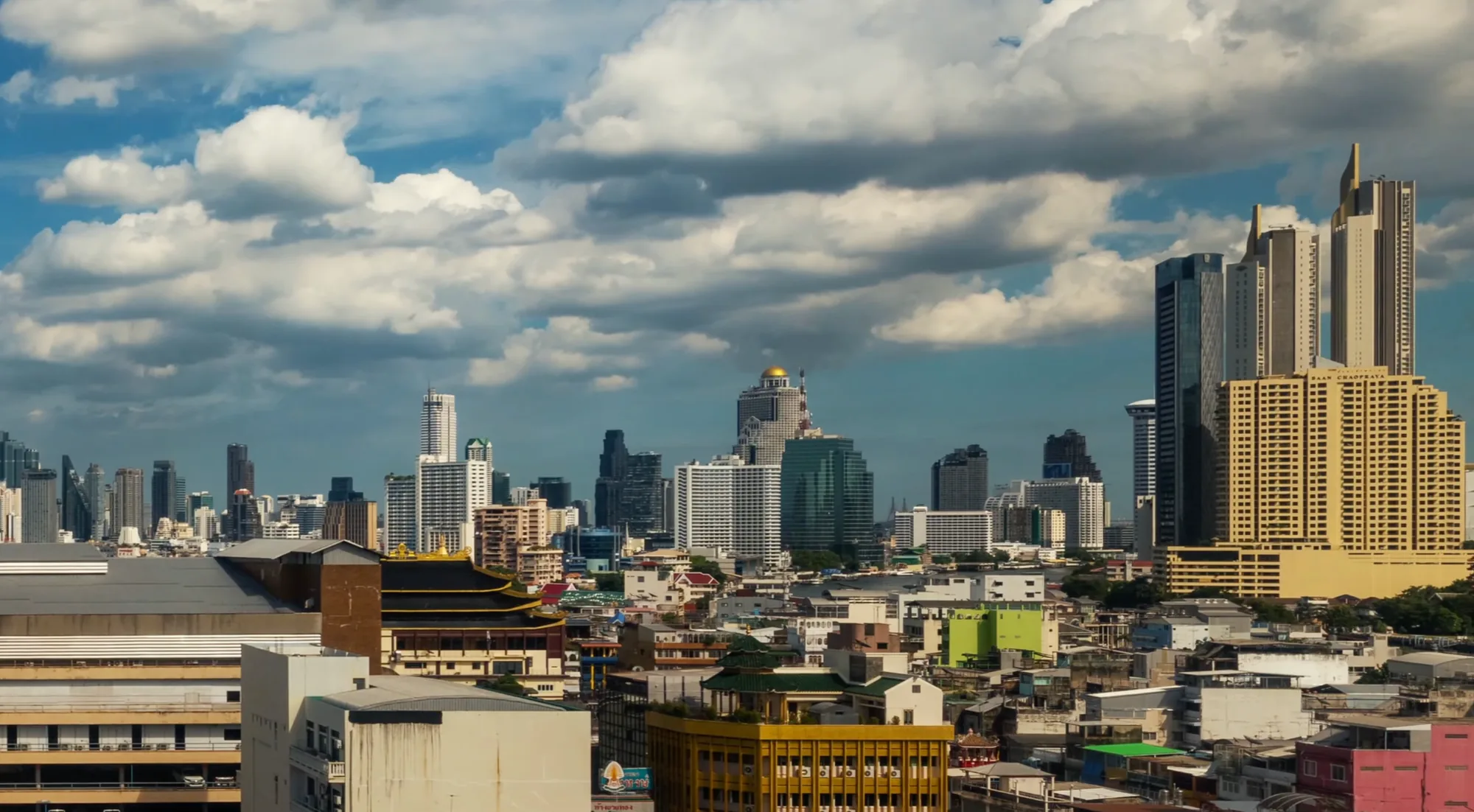
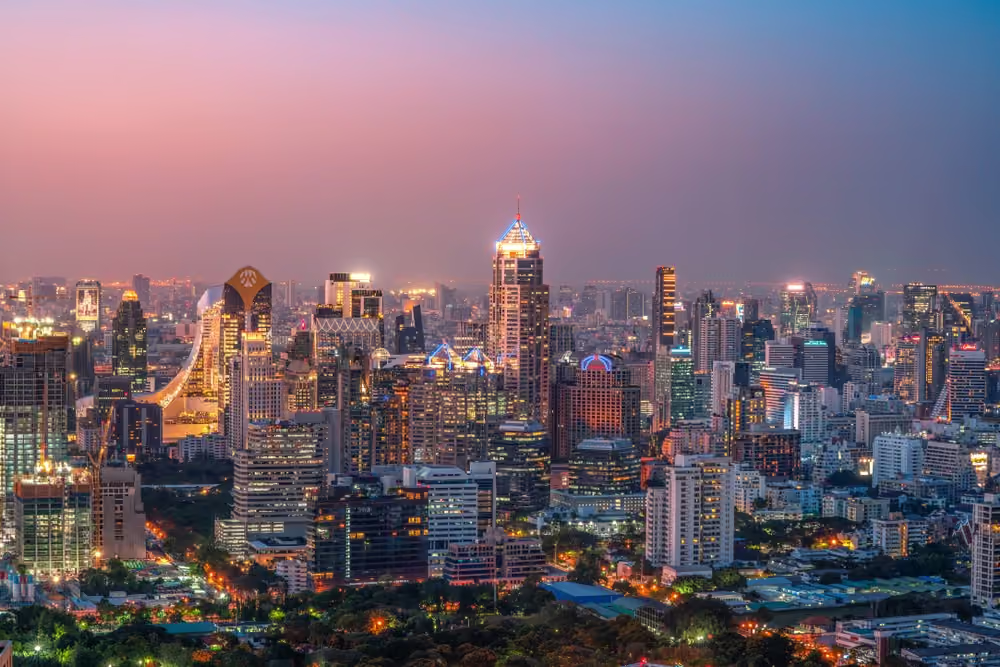
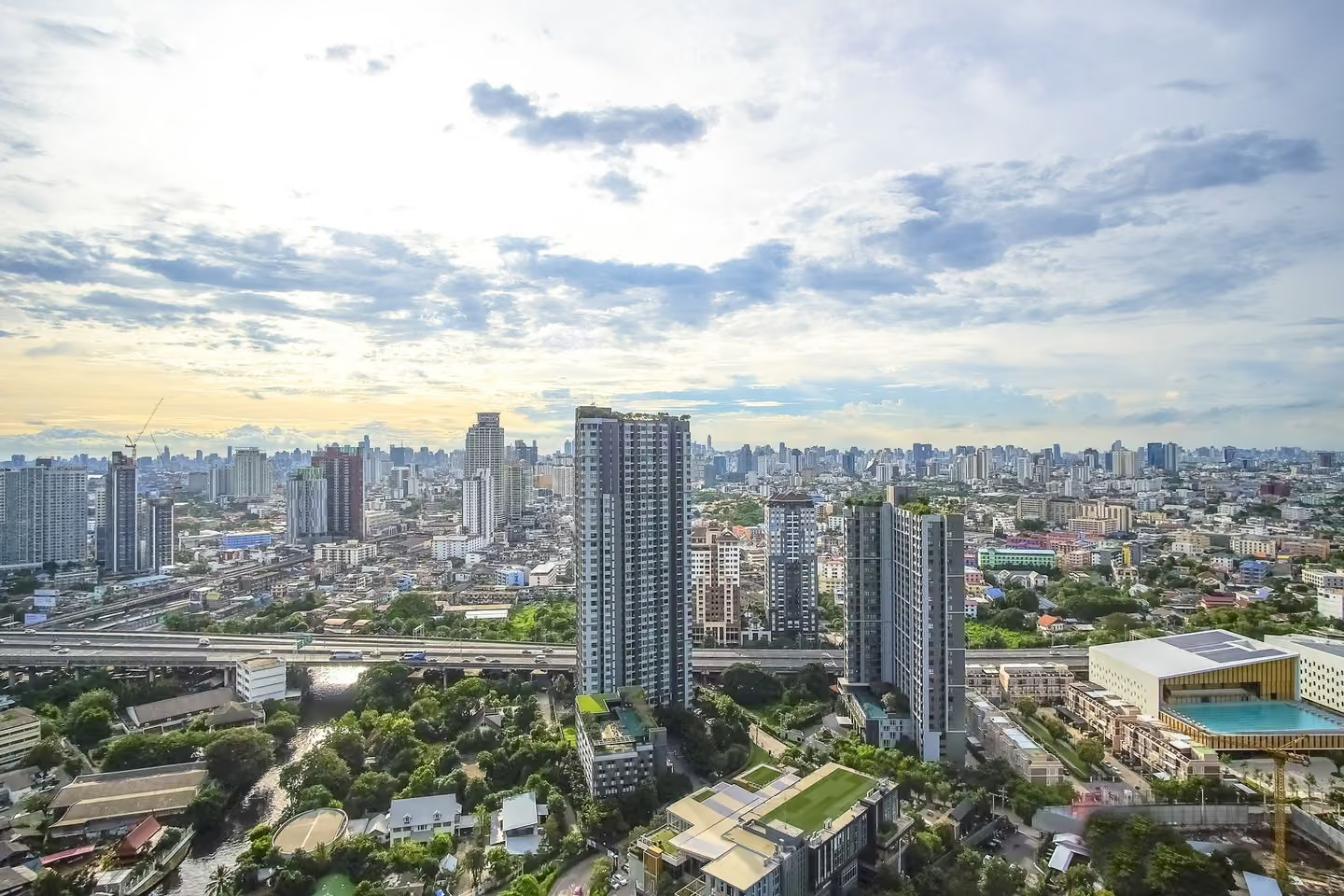
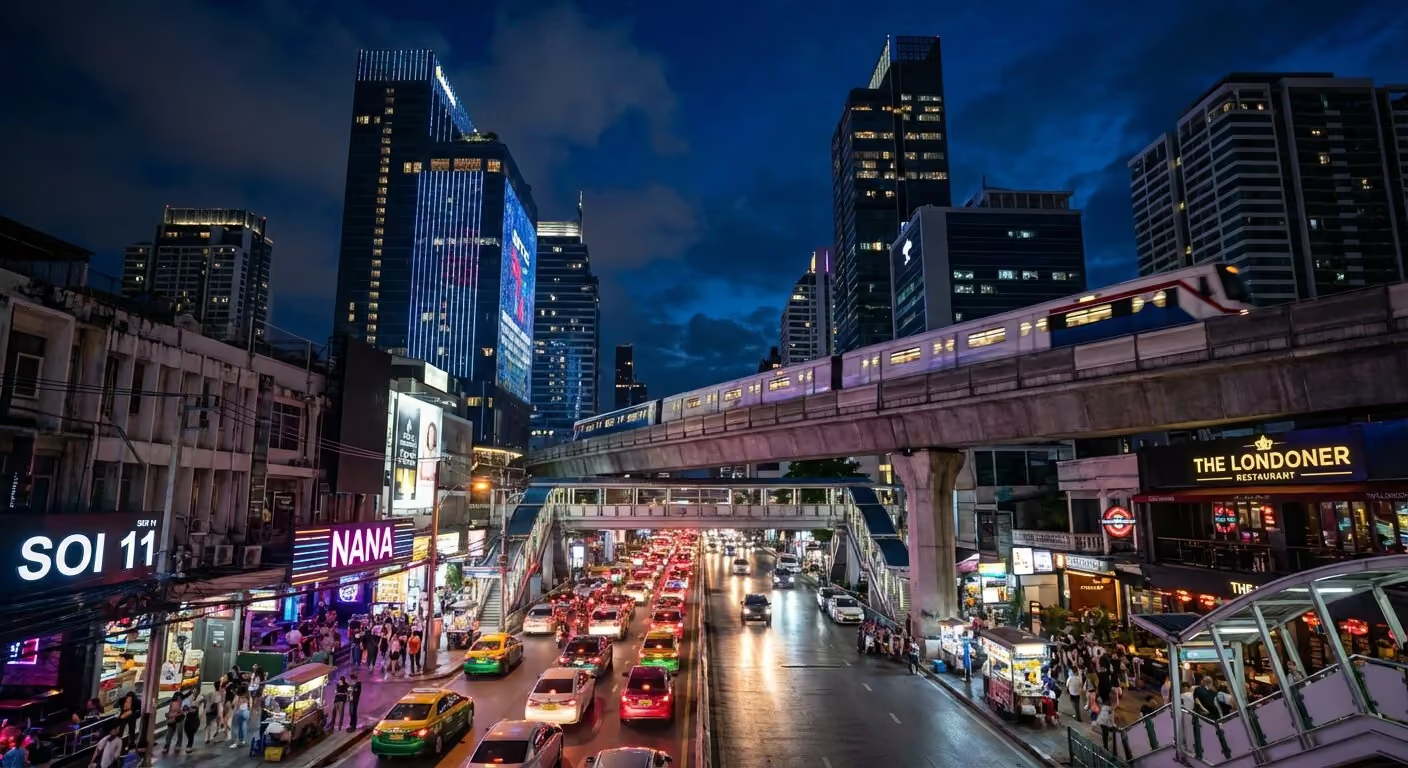
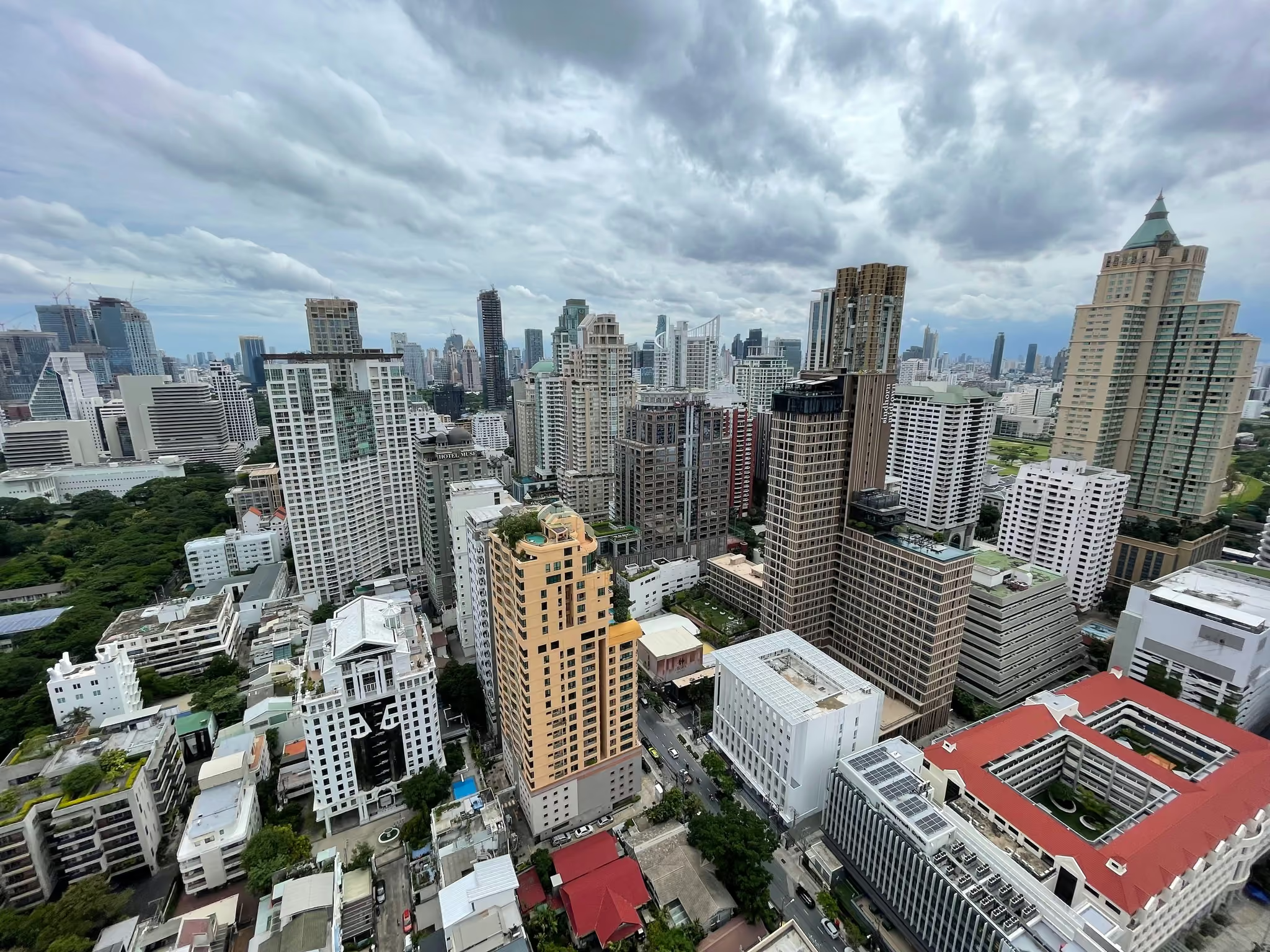
Bangkok is loud, colorful, and always in motion. It is also one of the most active condo markets in Southeast Asia, with billions of baht flowing into residential, commercial, and infrastructure projects every year. For foreign investors, that creates real opportunity, and a few real traps.
The guide covers everything you need to know before investing in Bangkok real estate: market pros and cons, primary vs. resale, rental yields, ownership costs, financing options, and whether Bangkok fits your goals.
We’ve spent over a decade working in Bangkok’s real estate market, and these are the conversations we have with clients every week.
Watch the full guide above, or keep reading for the complete breakdown.
What the Market Gets Right, and Where It Will Catch You Out
Every market has trade-offs, and Bangkok is no exception. Let’s go through the downsides first, because they matter more than most buyers realize.

The Challenges Every Foreign Buyer Should Understand First
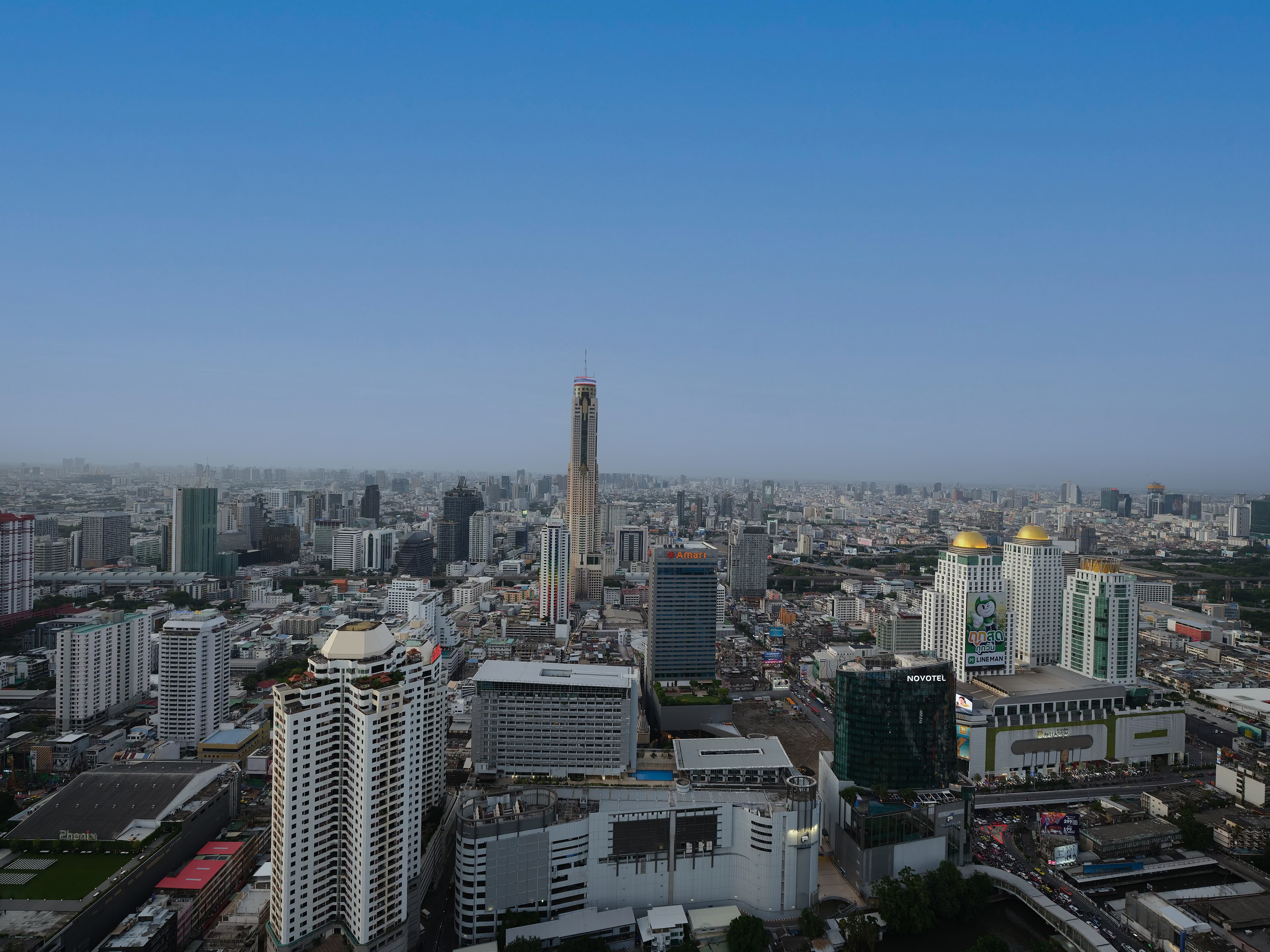
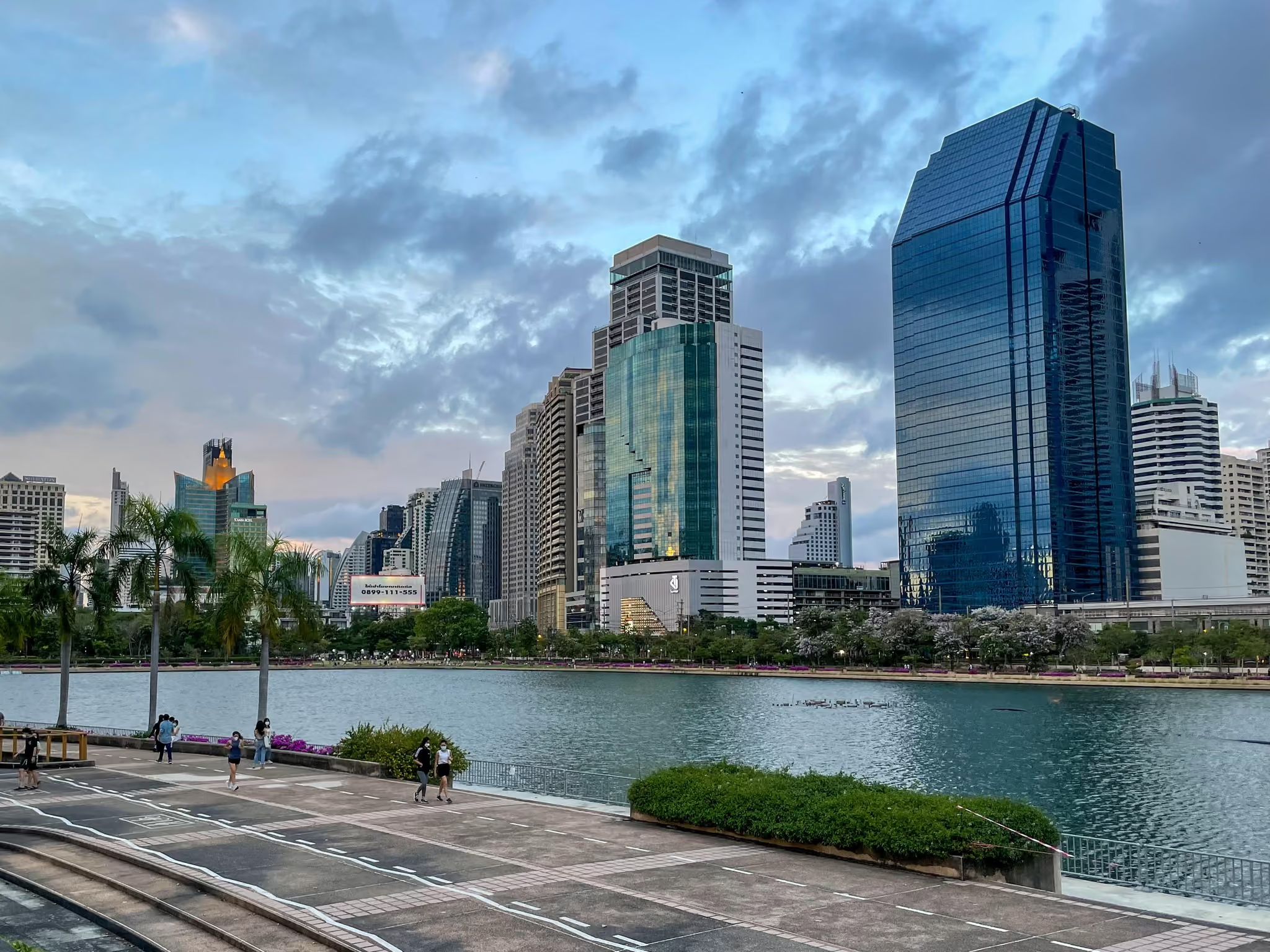
Oversupply: Bangkok is a sprawling urban jungle, and the development boom has been running for decades. Thais have a strong property ownership culture, and recent years have brought in international investment from China, Myanmar, Taiwan, and across Europe.
Developers have responded by building aggressively. The result is a supply imbalance that affects both rental yields and capital appreciation in many parts of the city.
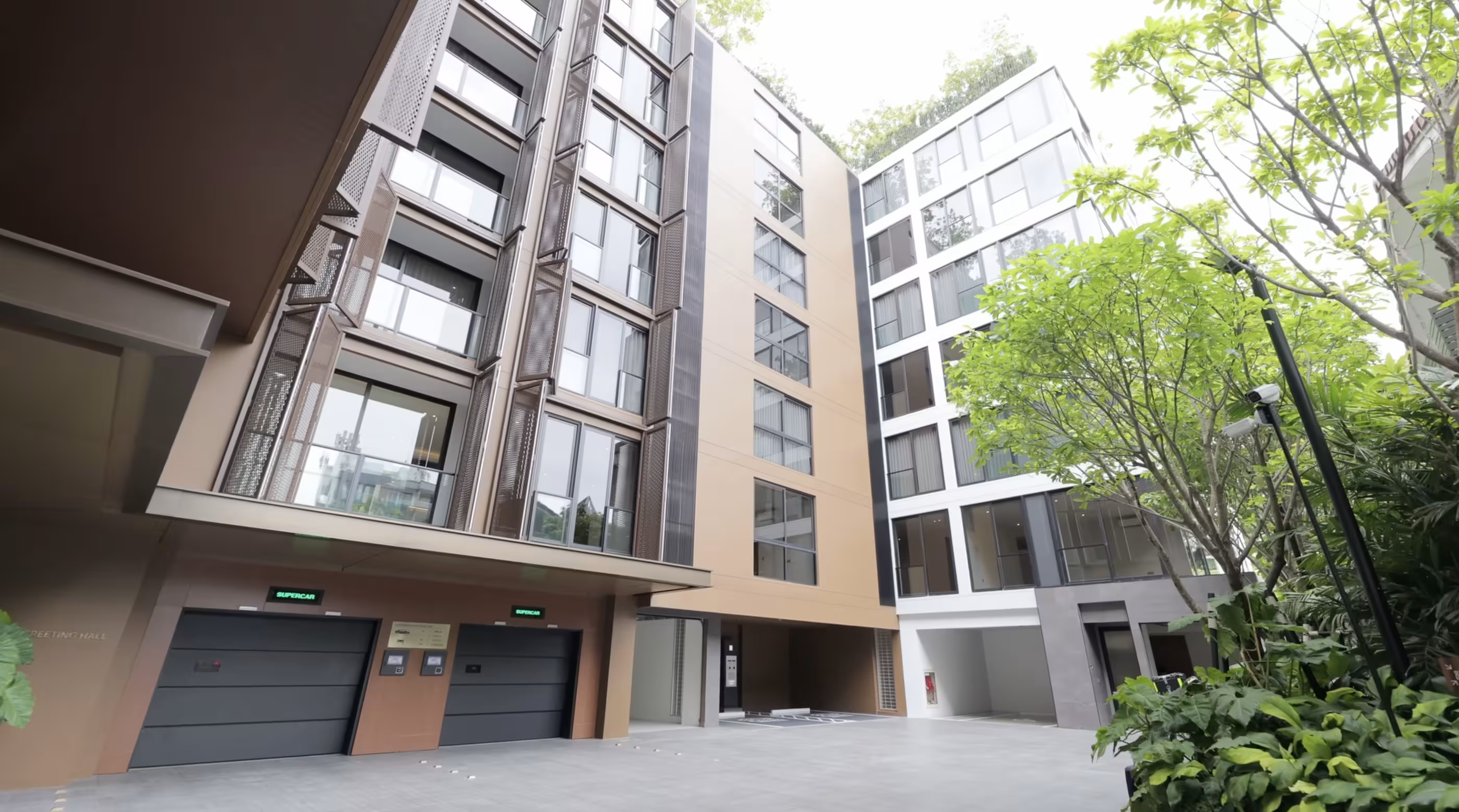
Foreign ownership restrictions: As a non-Thai, the most straightforward way to own property is by buying a condominium. It is the only property type that can be owned freehold by a foreigner, and even condos come with a limit: only 49% of a building’s usable area can be foreign-owned. This is known as the foreign quota.
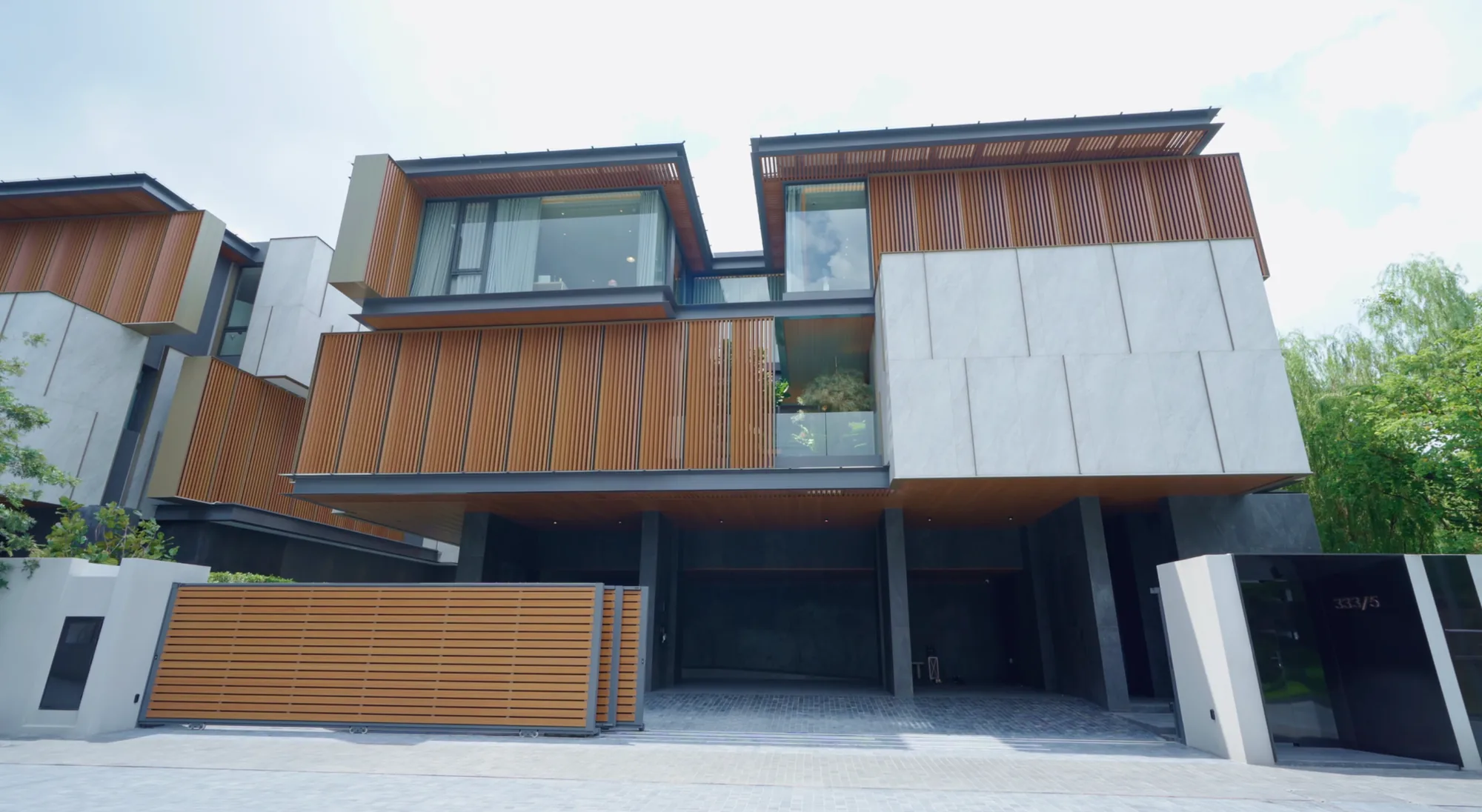
Land, townhouses, detached houses, shophouses, and commercial property cannot be owned directly by non-Thais. That is a real limitation, because some of those asset classes are among the best performing in Thai real estate.
Legal workarounds exist, but they are either administratively expensive or sit in a gray area of Thai law with real legal risk.
What Makes Bangkok Worth Investing in Over the Long Term
Buying into Bangkok real estate is buying into the Thai economy. Bangkok accounts for a large share of Thailand’s GDP and is the country’s economic engine. When you look at where the investment is going, the case becomes clearer:
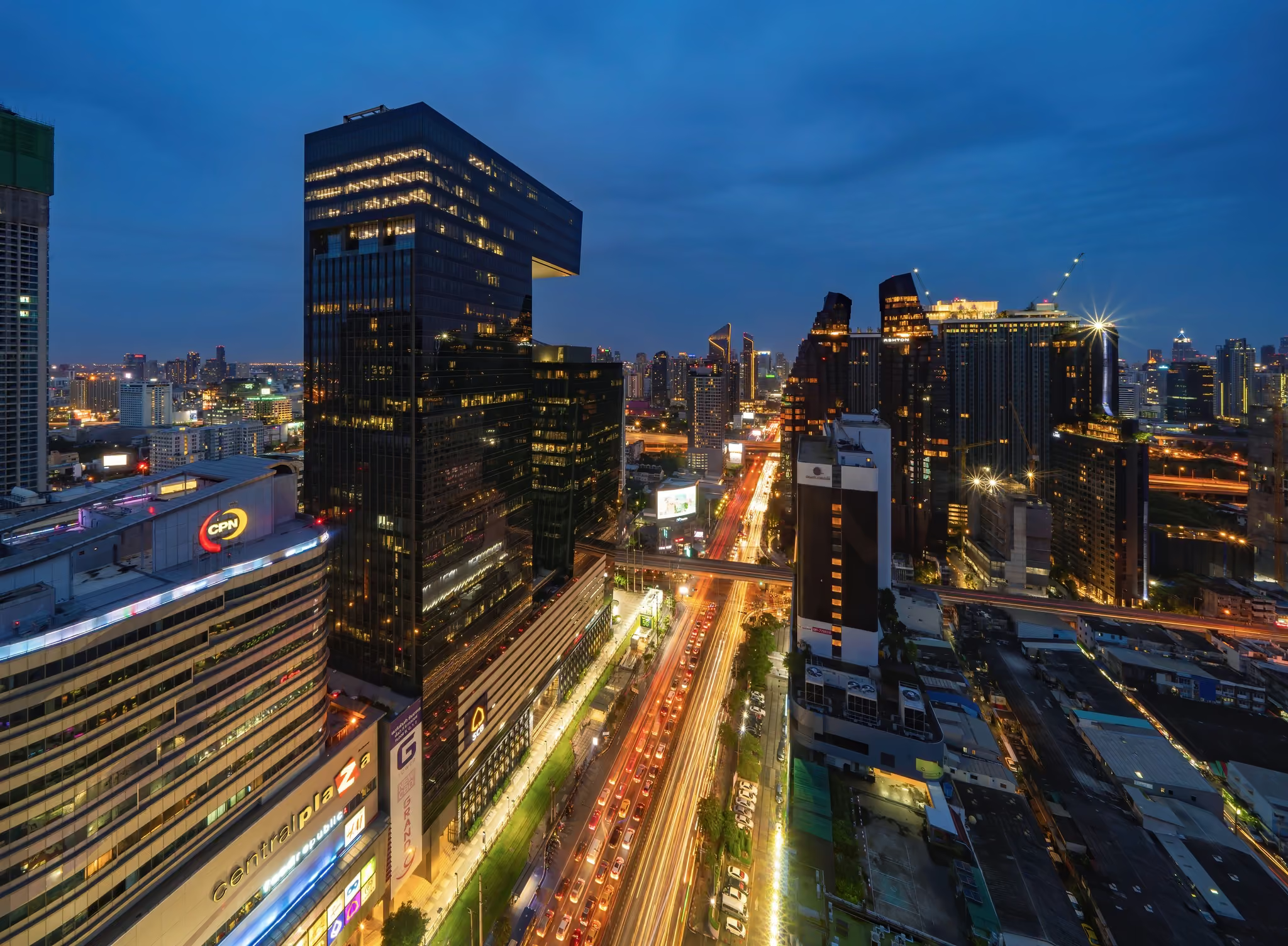
- Major commercial developments reshaping the city, including The Bangkok Mall, Dusit Central Park, and One Bangkok.
- Significant upgrades to both international airports, expanding global connectivity.
- Continued extensions and upgrades of the MRT underground and BTS skytrain.
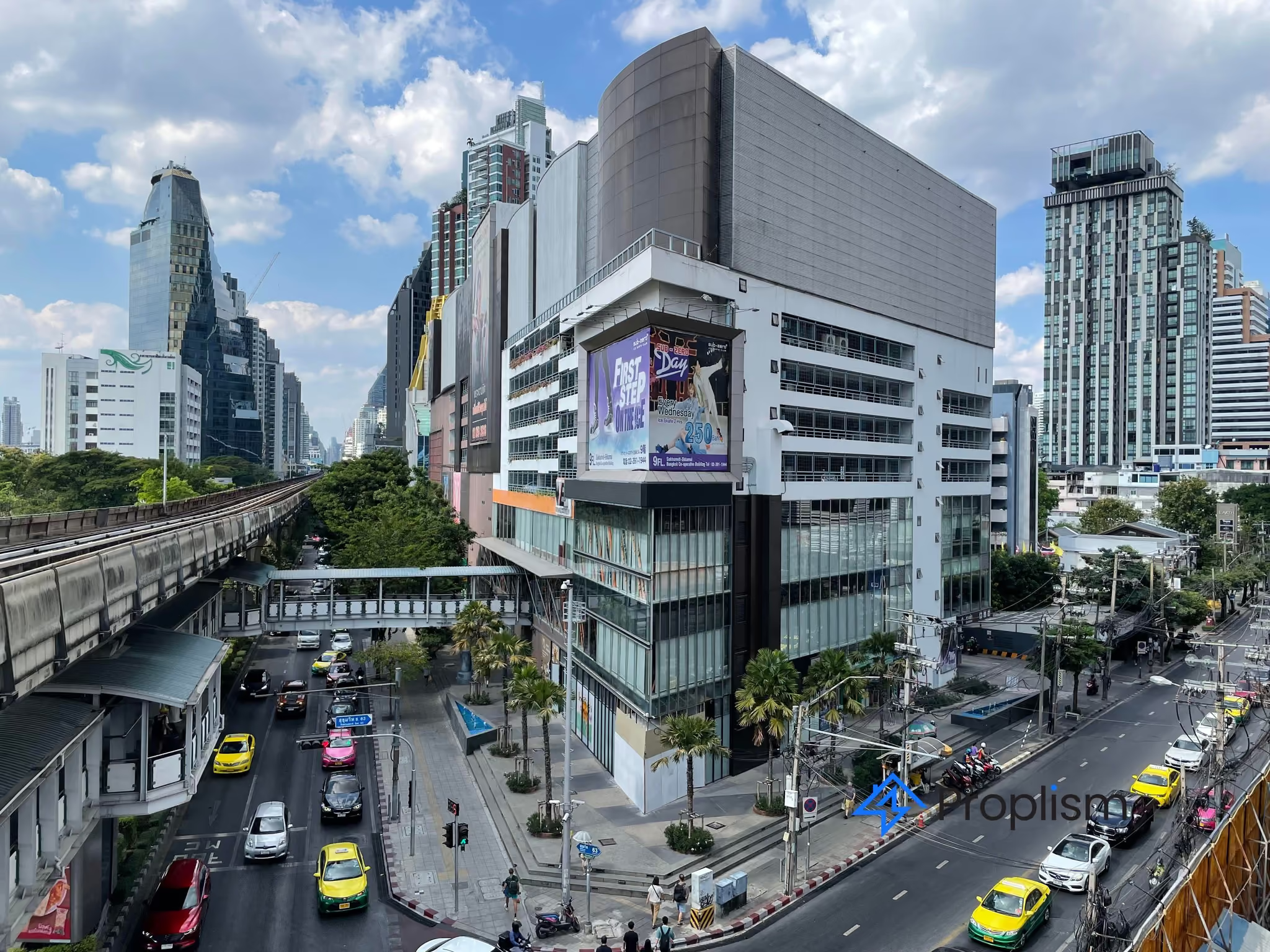
The second major advantage is lifestyle: Bangkok offers a unique combination of convenience, entertainment, and affordability, with top-tier shopping, world-class dining, nightlife, and leisure options that no other Southeast Asian capital matches. For both Thai and foreign residents, this quality of life is a major part of the value.

Should You Buy Primary or Secondary Market?
The first real decision every buyer faces is whether to buy directly from a developer (primary) or to buy a resale unit on the secondary market.
Buying Primary (Off-Plan or New)
When a developer launches or completes a project, you buy directly from them. The main advantage is the deferred payment plan: typically 30% upfront during construction and the remaining 70% on completion. That gives you time to organise finances.
The trade-offs:
- Risk of non-completion or delays on new launches.
- Risk that the finished building does not match the brochure.
- No rental income until the unit is handed over.
For this reason, the developer’s reputation matters more than almost anything else when buying off-plan.
Buying Resale (Secondary Market)
Resale means buying from an owner who has held the property for a few years. The selling price is set by the seller, which means you can sometimes get in at very attractive levels. Here are the two other advantages:
- Much wider selection across completed buildings.
- Rental income from day one.
The downsides relate to size and condition: Bangkok’s resale market offers an extensive selection of properties, which can make navigating the available options overwhelming for buyers, so being selective is essential. Condos also show wear and tear over time, and most resale units need some level of refurbishment, new furnishings, or maintenance work.
What Are the Rental Yields in Bangkok?
Bangkok has a very transient population of working professionals, both Thai and expat, which keeps the rental market active and steady.
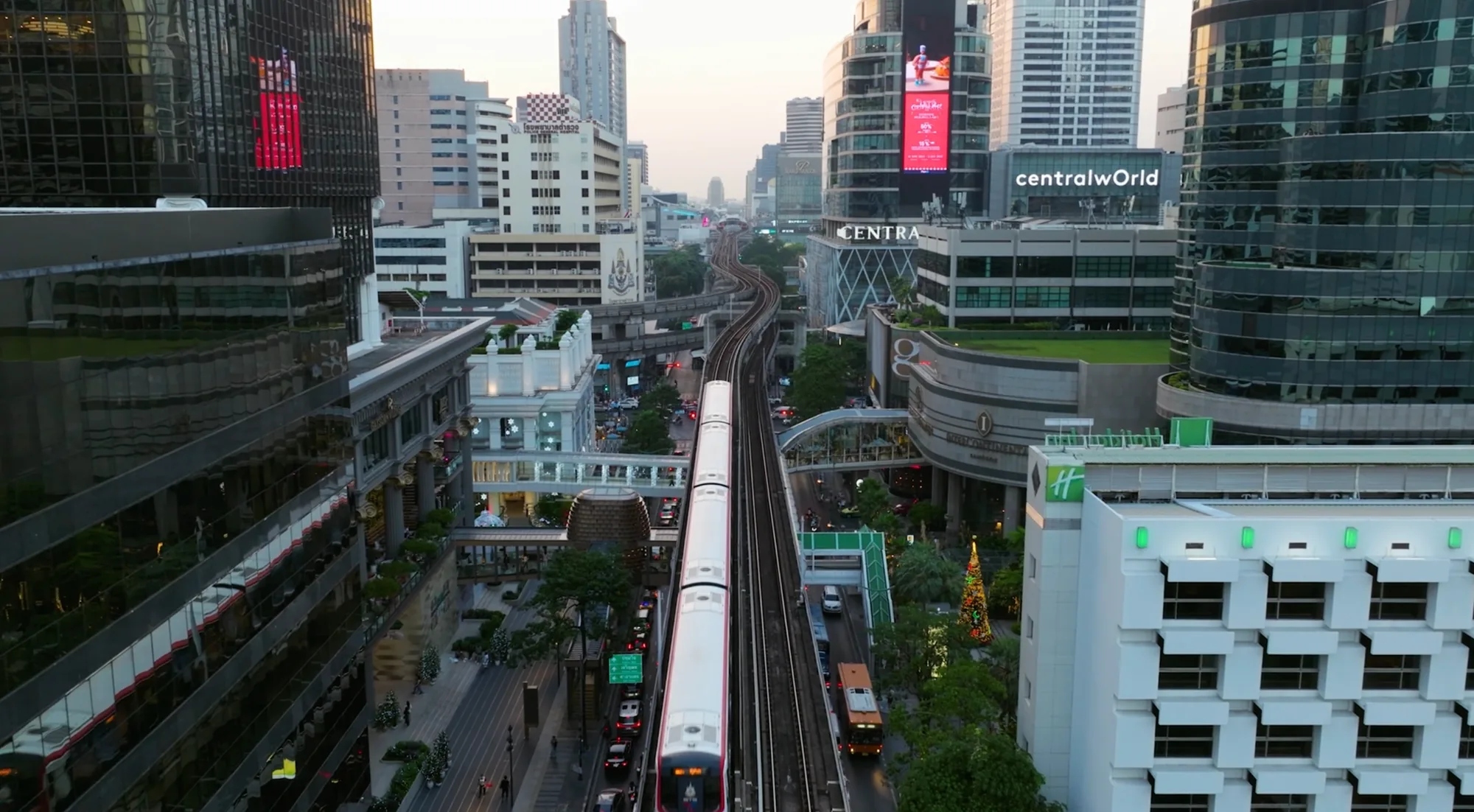
Gross rental yields generally fall between 2% and 6%, depending on location and project. In central Bangkok, the prime office and leisure districts, investors should expect 2% to 4% gross. The word gross matters here, because owning a condo comes with real costs that reduce that figure.
The Three Costs That Eat Into Your Net Yield
Three main ownership costs reduce your net yield.
- Common Area and Management Fees (CAM fees). This covers the upkeep of common areas, services, and amenities. It is typically billed once a year.
- Land and building tax. An annual property ownership tax charged at a low rate. For reference, the owner of a two-bedroom unit in central Bangkok may pay around 2,000 to 3,000 THB per year.
- Agency fees. If you rent the unit out through an agency, the Bangkok standard for a one-year lease is one month’s rent as the agency fee.
What About Taxes When You Sell?
Selling property in Thailand involves several taxes and transfer fees, including withholding tax, transfer fees, and either specific business tax or stamp duty, depending on the circumstances. The total cost varies based on factors such as the property’s government-appraised value, selling price, and length of ownership.
Rather than relying on a fixed percentage, sellers should use the official Thai Land Department Tax and Fee Calculator to estimate the applicable costs before proceeding with a sale.
It’s also important to clarify which fees will be paid by the buyer and seller, as this can affect the final proceeds from the transaction.
What to Look for When Buying a Condo in Bangkok
What you buy matters as much as where you buy. A unit in prime central Bangkok can still be a poor investment if you pick the wrong building or the wrong unit. Three major factors drive performance.
1. The Developer
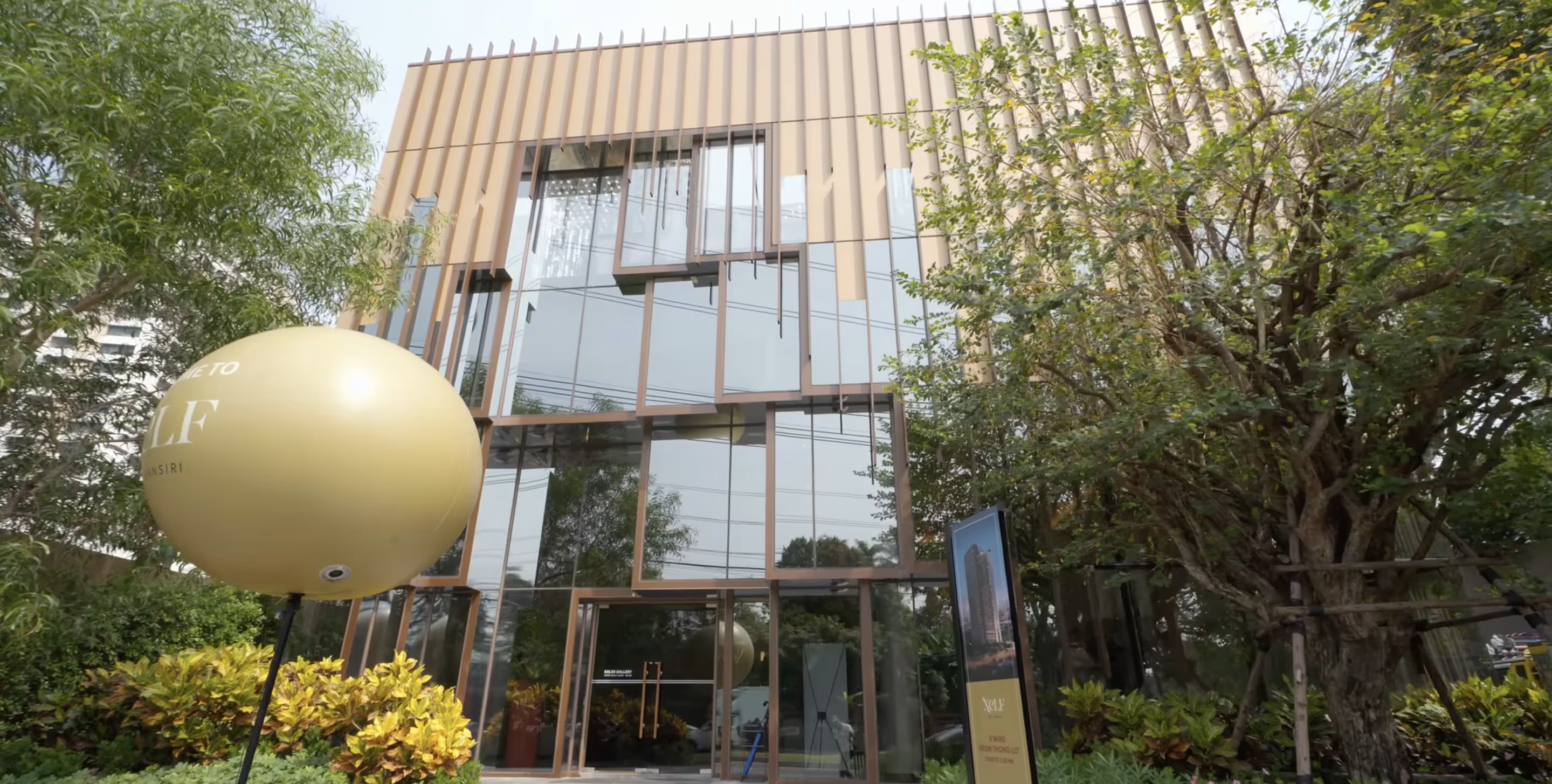
A handful of dominant developers build most of the high-quality stock in the capital. Some of the most reputable upmarket names are Sansiri, SC Asset, and Noble.
Their projects tend to hold value well, are thoughtfully designed, and stay popular with both local and international buyers and renters.
2. Layout and Orientation
Match the layout to the demographics of the area. If the neighborhood is popular with families and international schools, a two or three-bedroom unit fits the demand. If it is a young professional district, a well-designed one-bedroom may perform better.
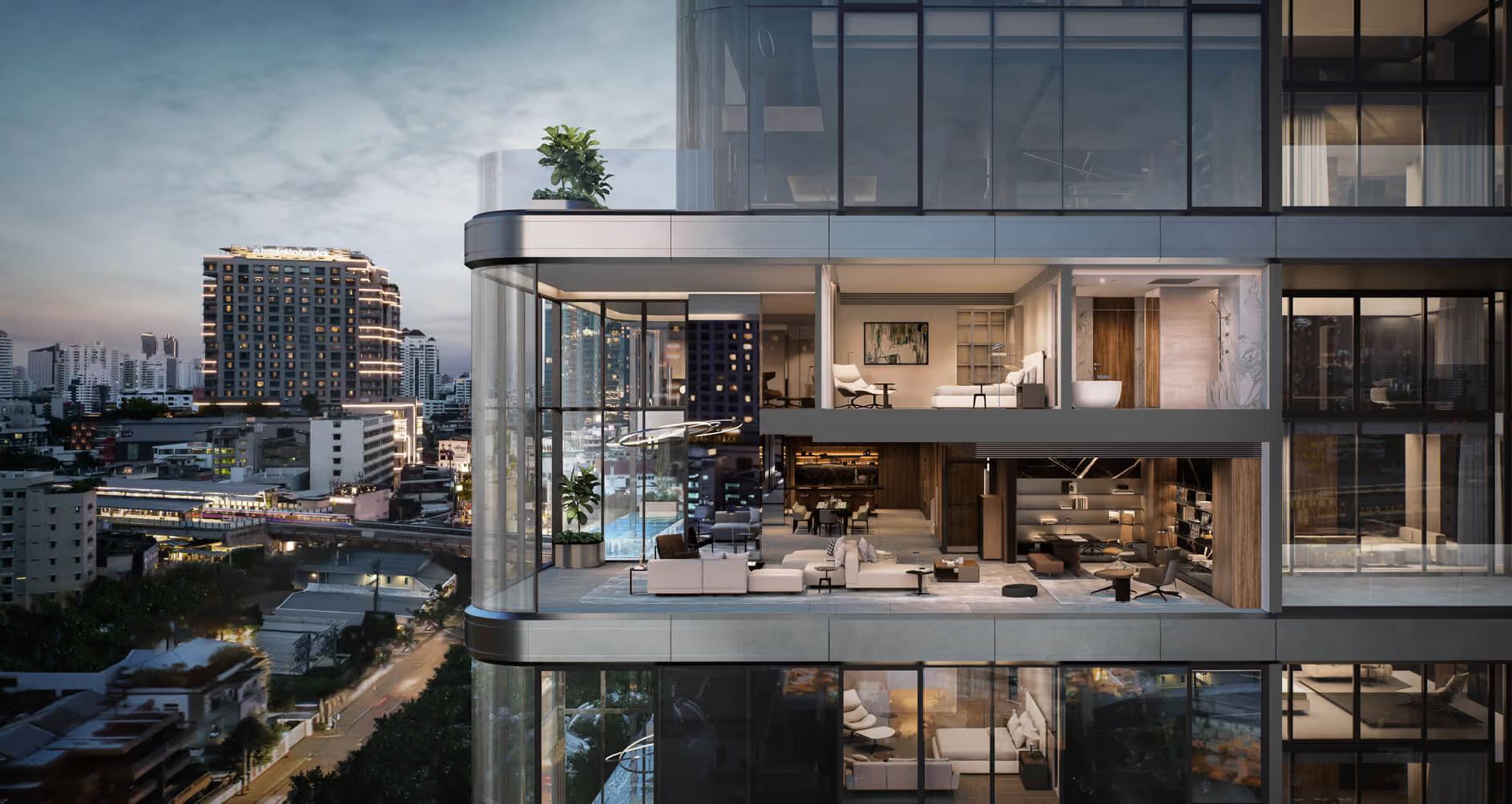
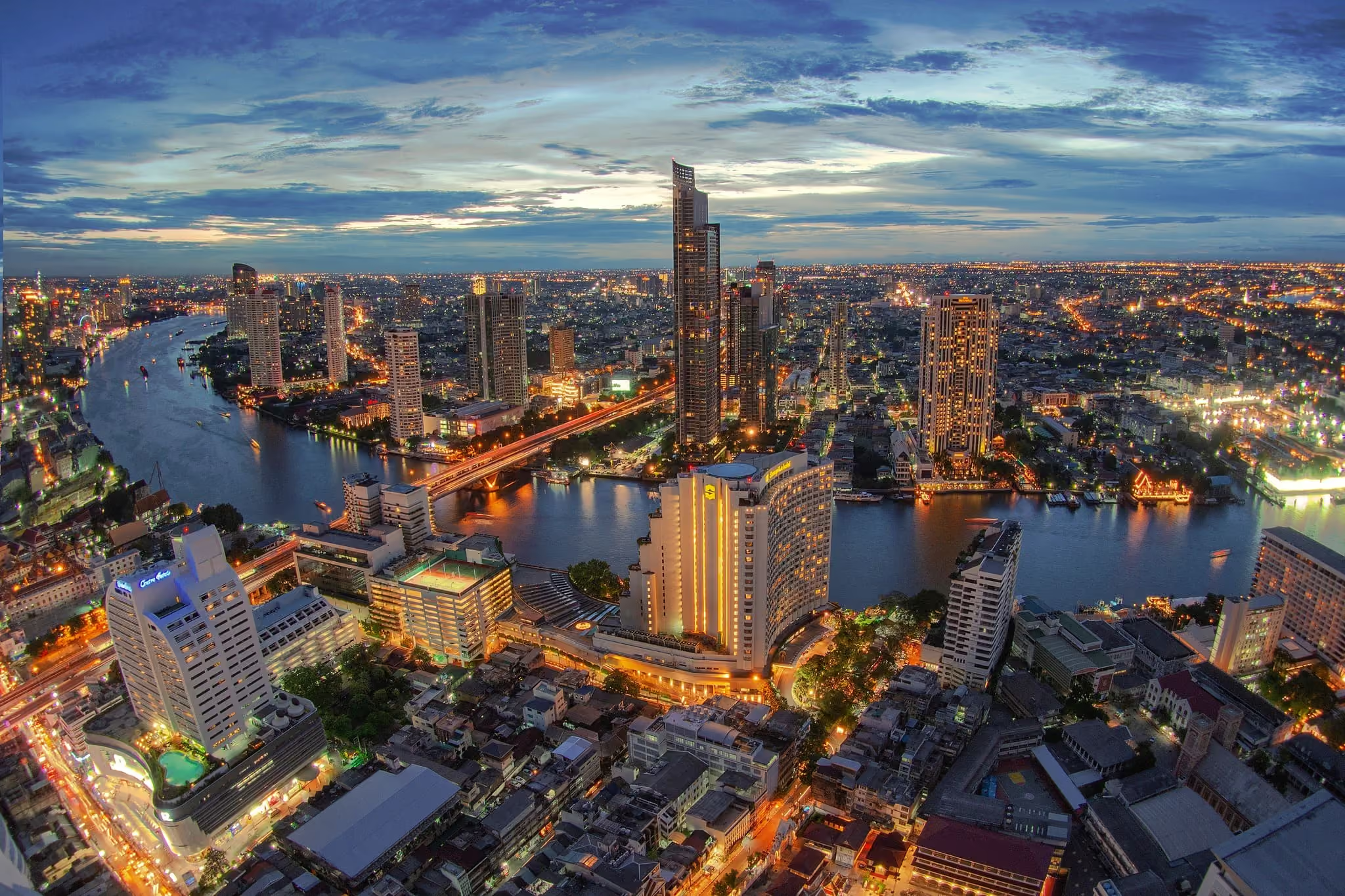
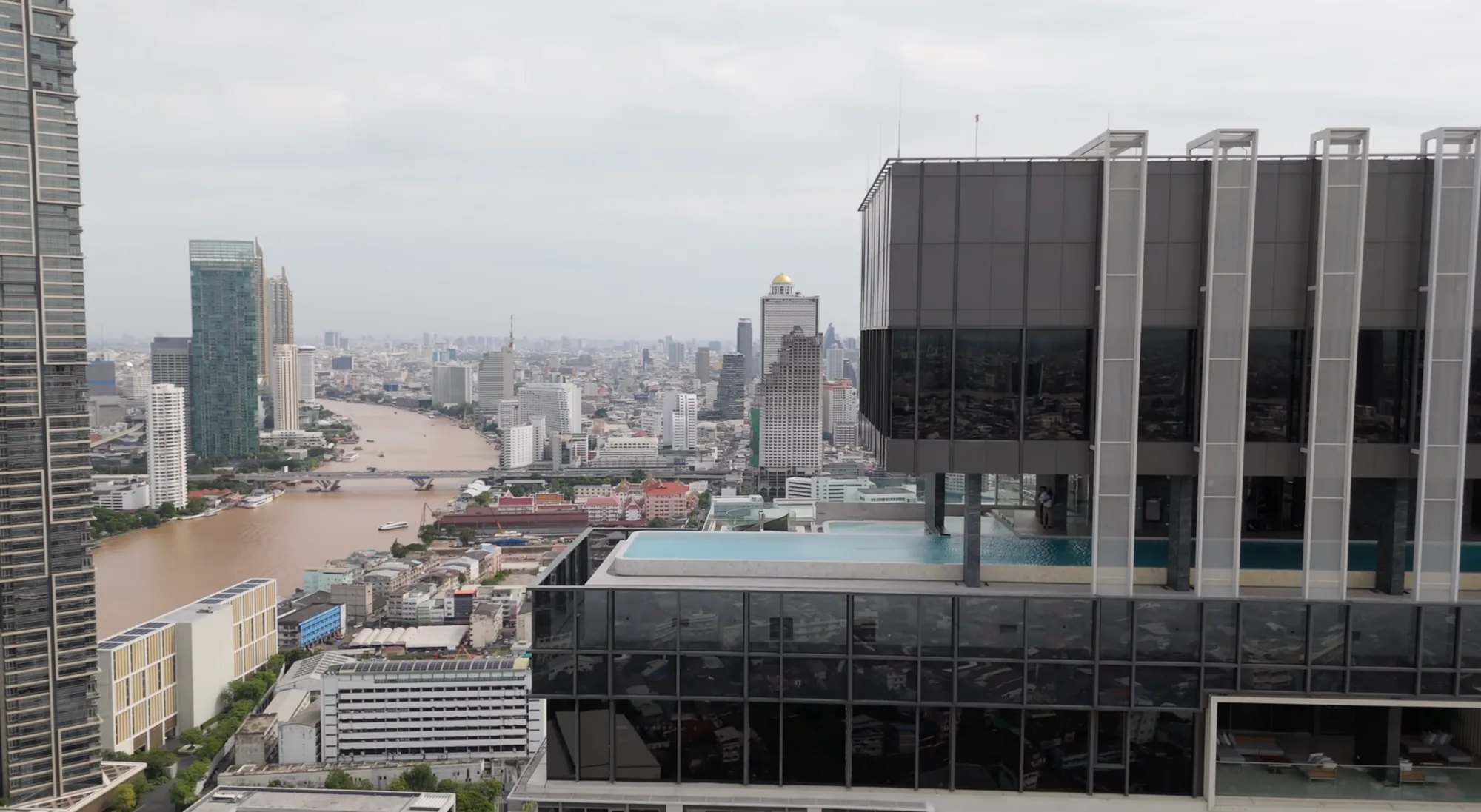
Orientation matters too. River views, city skyline views, views of Mahanakhon, or views over a park genuinely move the needle on resale value and rental appeal.
3. Price Point
In Bangkok, prices are open to negotiation, whether you buy from a developer or from an owner. A good entry price gives you better rental yields from day one and more profit when you sell.
A real example: Rhythm Charoenkrung Pavilion. When the project launched in 2019, buyers got in at 170,000 to 180,000 THB per square meter. The project is now complete, and prices have moved to around 220,000 to 240,000 THB per square meter.
Three factors explain the increase: excellent amenities, strong riverside views, and a location next to a top international school, which makes the project popular with families and professionals.
So, Should You Invest in Bangkok Real Estate?
Bangkok is chaotic, unpredictable, and constantly changing. That is part of what makes it exciting. In our view, no other Southeast Asian capital offers this combination of opportunity, lifestyle, and affordability.
What you get when you buy here:
- Cuisine from street food to Michelin-starred restaurants.
- Two international airports with connections to every continent.
- A stable business environment with multinational headquarters in the city.
- A growing expat community, an active digital nomad scene, and a strong startup culture.
- A safe city with world-class nightlife, shopping, and leisure.
If you are looking for short-term gains, Bangkok is probably not the right market. If you are looking for steady rental income, long-term capital appreciation, and access to a quality of life that is genuinely hard to buy elsewhere, Bangkok deserves serious consideration.
For many investors, buying property in Bangkok is not purely a financial decision. It is equally about quality of life, with the added benefit of potential financial returns.
Thinking About Investing in Bangkok?
If you are considering investing in Bangkok real estate, the most important step is matching your priorities (rental yield, capital appreciation, or lifestyle) to the right neighborhood, developer, and unit. Contact our team if you want a conversation about where to start.
You can also explore Bangkok’s top condo projects, developer profiles, and detailed building guides on OneListed to start narrowing down where, and what, to buy.
Related reading


Interested in Buying Property in Thailand?
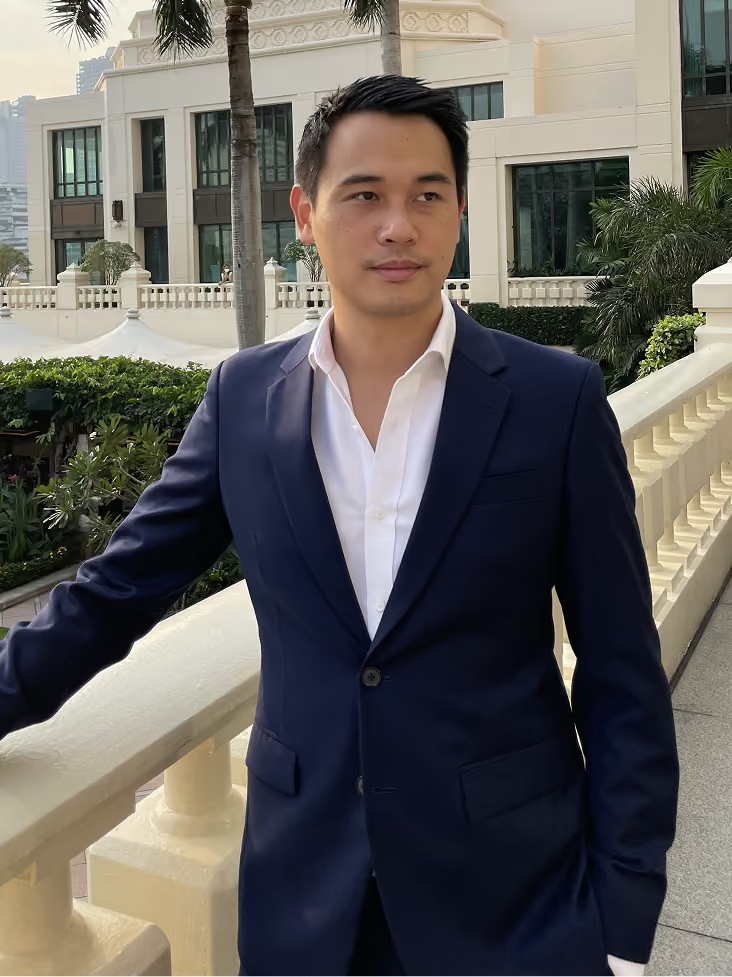
Pierre Leung has spent 10+ years in Thailand's property market. He founded his own boutique agency, later acquired by PropertyScout, where he now serves as Director leading 40+ consultants. He also hosts PierreListed on YouTube, touring the latest projects and sharing expert insights into the local Thailand property market.