












Bangkok Property Investment: A Guide to Rental Yields
- Foreigners can only buy Bangkok condos on a freehold basis, no land or houses, which keeps investing simple.
- Bangkok’s current oversupply reflects softer market sentiment. It’s a buyer’s market with room to negotiate.
- The city’s active and vibrant rental market (an estimated 11.5 million residents and 250,000-plus expats) makes condos easy to rent out.
- Rental yield is the number one factor. Standard yields run 2 to 4%, with 5 to 6% and 6 to 8%+ available for those willing to search, negotiate, or add value.
- Entry price decides most of your profit. Buy low to raise your yield and make your future exit easier.
- Treat Bangkok as many micro markets, not one. Undersupplied niches like family units, pet-friendly condos, and park or river views offer the best openings.
If you’re thinking about buying your first rental property in Bangkok, the single biggest risk isn’t the market. It’s buying at the wrong price, in the wrong condo, in the wrong location, and only realising it years later when the money doesn’t add up.
The good news is that Bangkok property investment can pay off from day one if you get three things right. This guide breaks down the fundamentals every foreign buyer needs to understand, then walks through the three simple strategies to find condos that make money.
Watch the full breakdown above, or keep reading for the complete guide.
What Foreigners Can Actually Buy in Bangkok
Start with the rules, because they shape everything else. Foreigners can buy property in Thailand, but only condominiums on a freehold basis. That means no land and no houses. You buy the condo unit outright, not the ground it sits on.
That restriction sounds limiting, but it actually makes life simpler. Condos, especially in the capital, are easier to rent out, easier to manage, and easier to sell when you eventually think about your exit.
If you’re investing as a foreigner, a condo is the straightforward path. There’s very little reason to overcomplicate it.
If you’re new to the legal side, it’s worth reading up on buying a condo in Bangkok as a foreigner before you start viewing units, because the ownership structure affects how you finance and eventually resell.
Is Now a Good Time to Invest? The Oversupply Reality
You’ve probably heard that Bangkok is dealing with an oversupply, and that’s true.
Bangkok’s property market is currently facing some challenges. Demand from both local and international buyers has slowed, while developers are launching fewer new projects and managing unsold properties.
As a result, buyers are becoming more selective, focusing on properties that offer good value, attractive locations, and long-term potential.
Here’s the part that matters: oversupply is not a collapse. It’s lower market sentiment, and lower sentiment creates opportunity for the buyers who are ready.
Right now it’s easier to find affordable condos, easier to find units selling below market price, and easier to negotiate a genuinely good deal. Bangkok is a buyer’s market at the moment.
If you’re a savvy investor, the whole game is to buy low and sell high later, and conditions like these are exactly when that’s possible.
(Market conditions described here reflect the situation as per May of 2026.)
Why Bangkok’s Rental Market Works in Your Favour
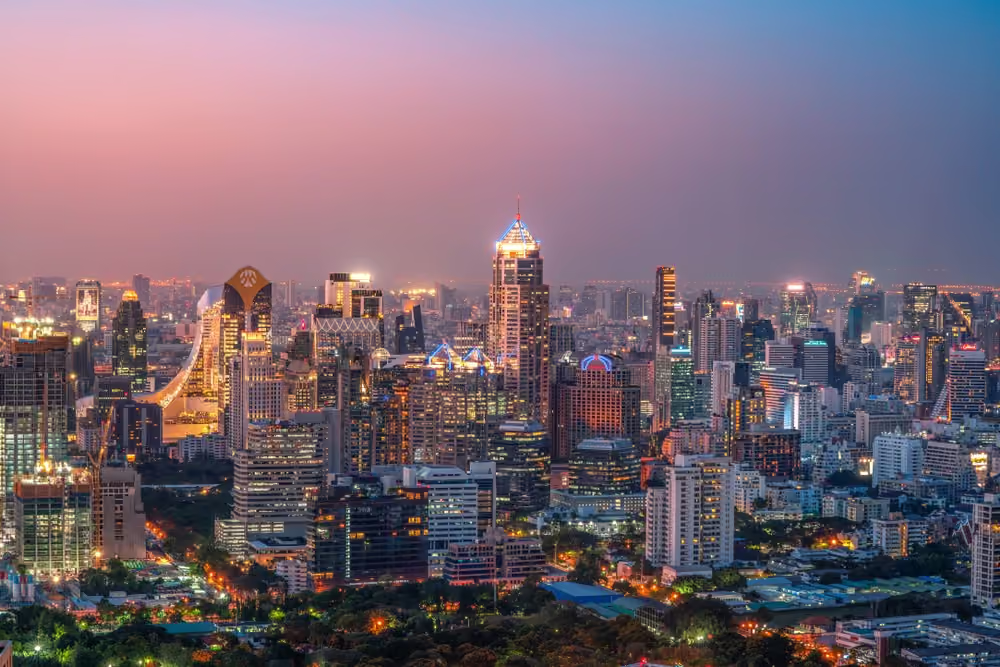
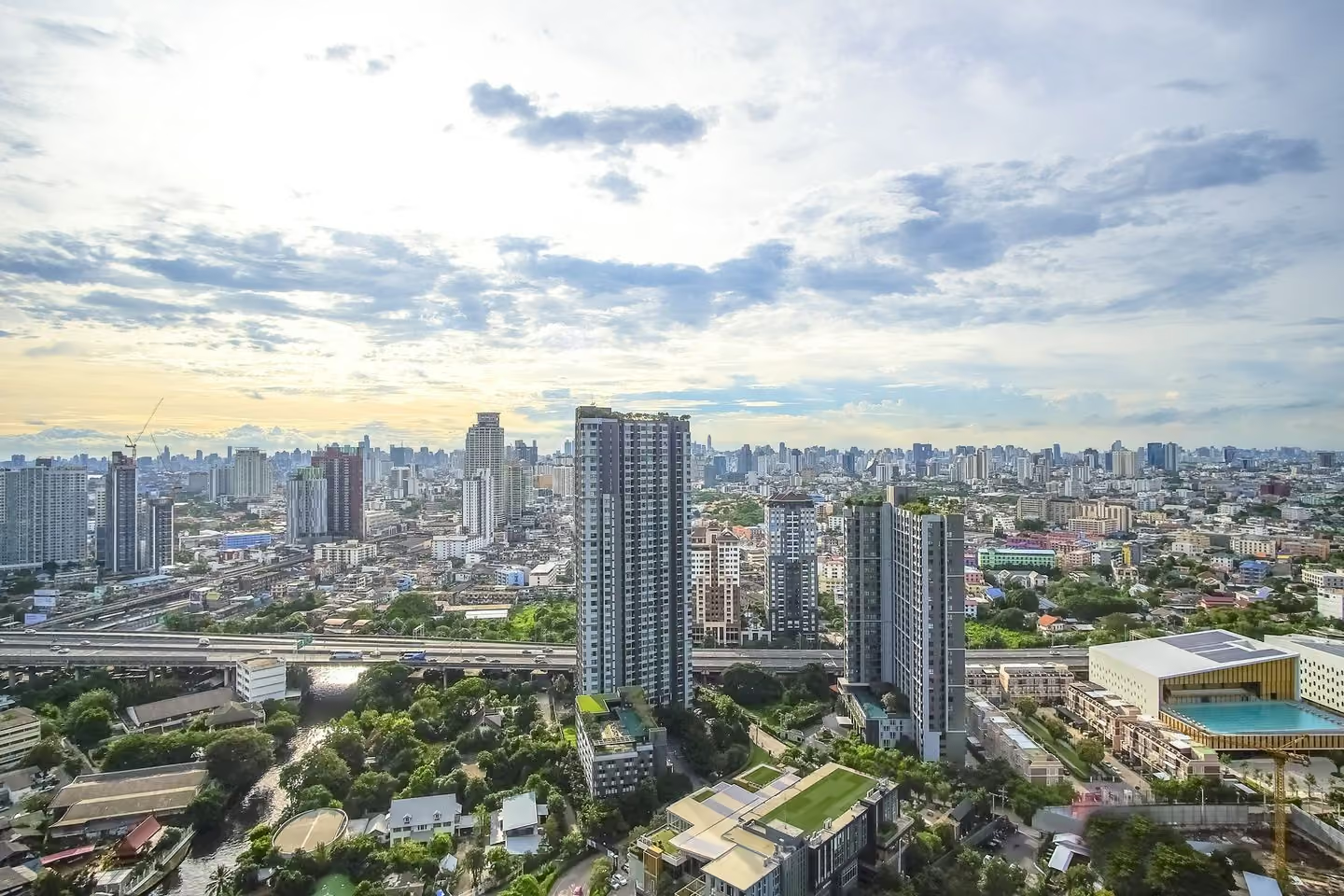
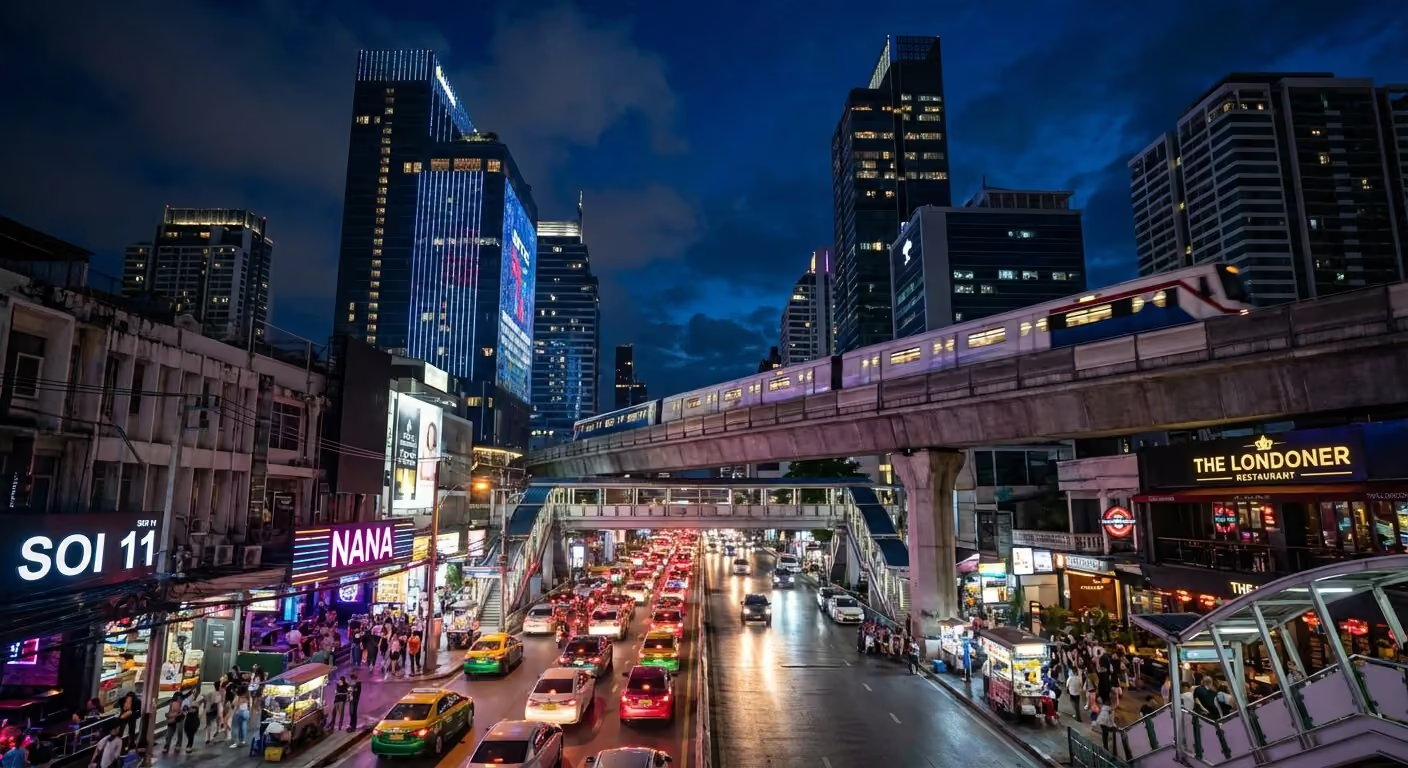
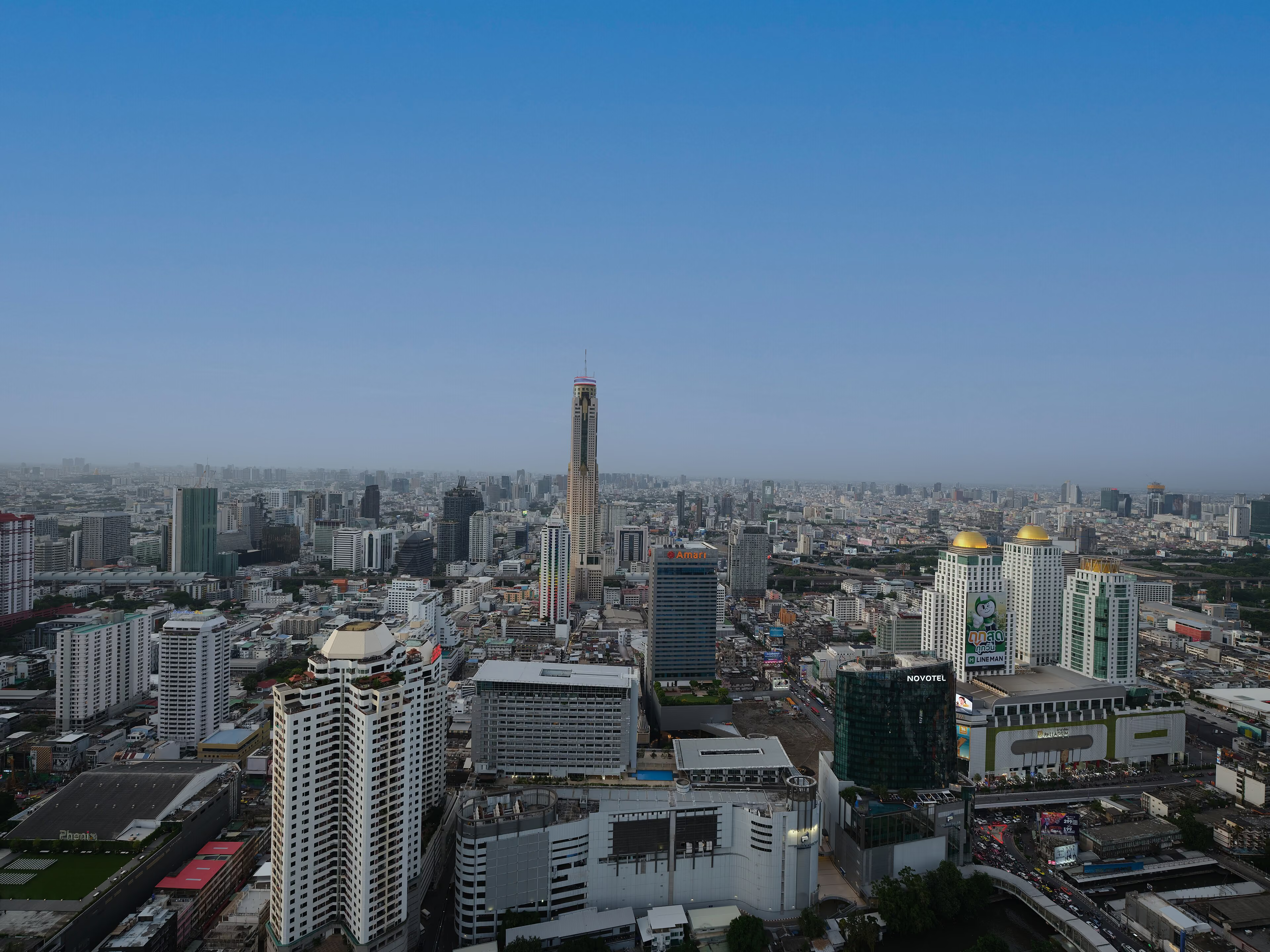
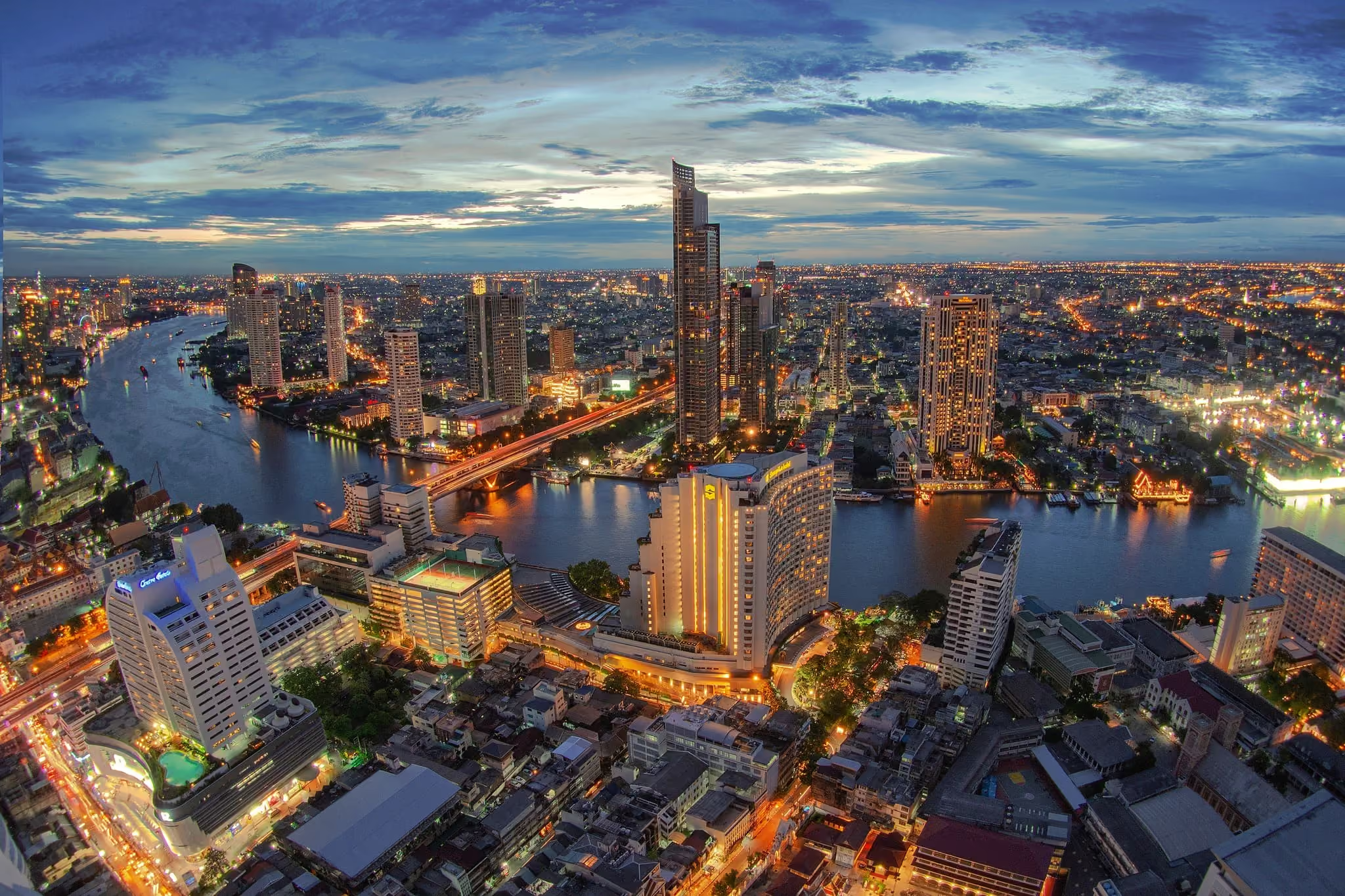
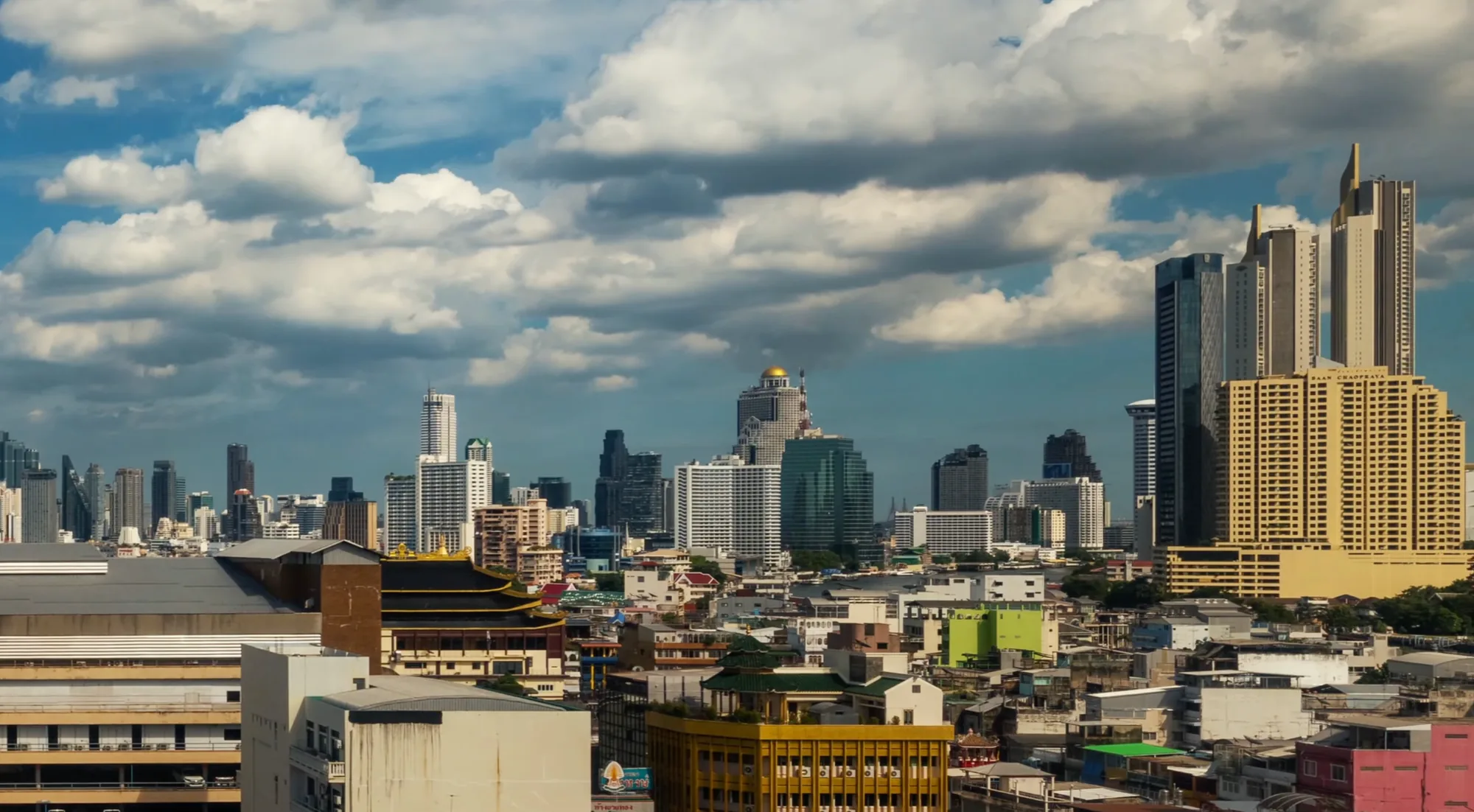
Bangkok is a big, dynamic city, and that’s the foundation of the whole investment case. The city has around 11.5 million residents and an estimated 250,000-plus expats living and working here.
A large share of Thailand’s business and commerce runs through the capital, which makes it one of the most important hubs in Southeast Asia.
For property investors, this creates opportunities in Bangkok’s well-established rental market, supported by demand from both local and international tenants. This demand comes from working professionals, digital nomads, and retirees seeking accommodation in the city.
That demand is your biggest advantage, and it should sit at the centre of how you think about any purchase.
Old Condos vs New Condos: Which Should You Buy?
One decision comes up in almost every Bangkok deal: old condo or new condo. Both can work. It comes down to what you’re comfortable with.
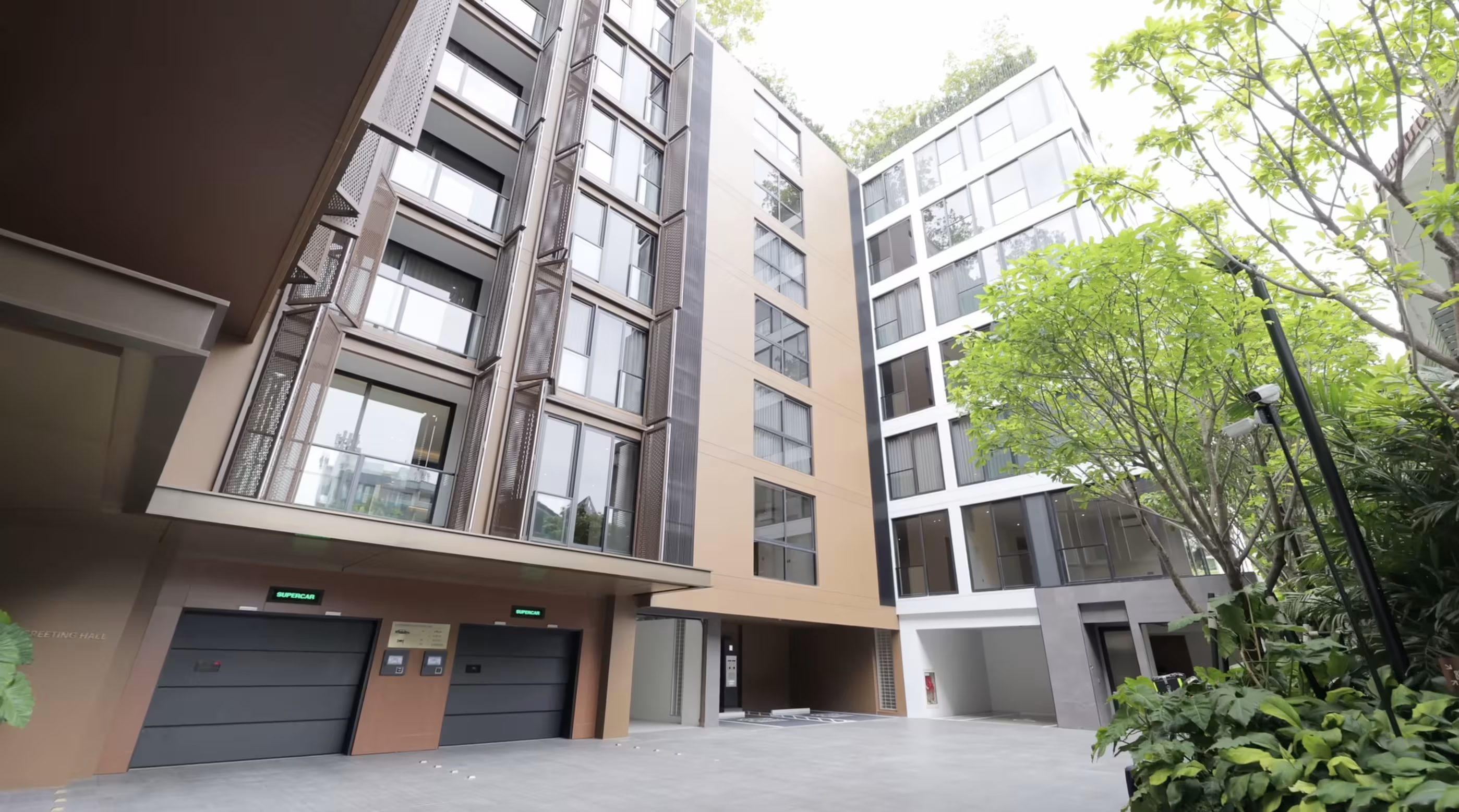
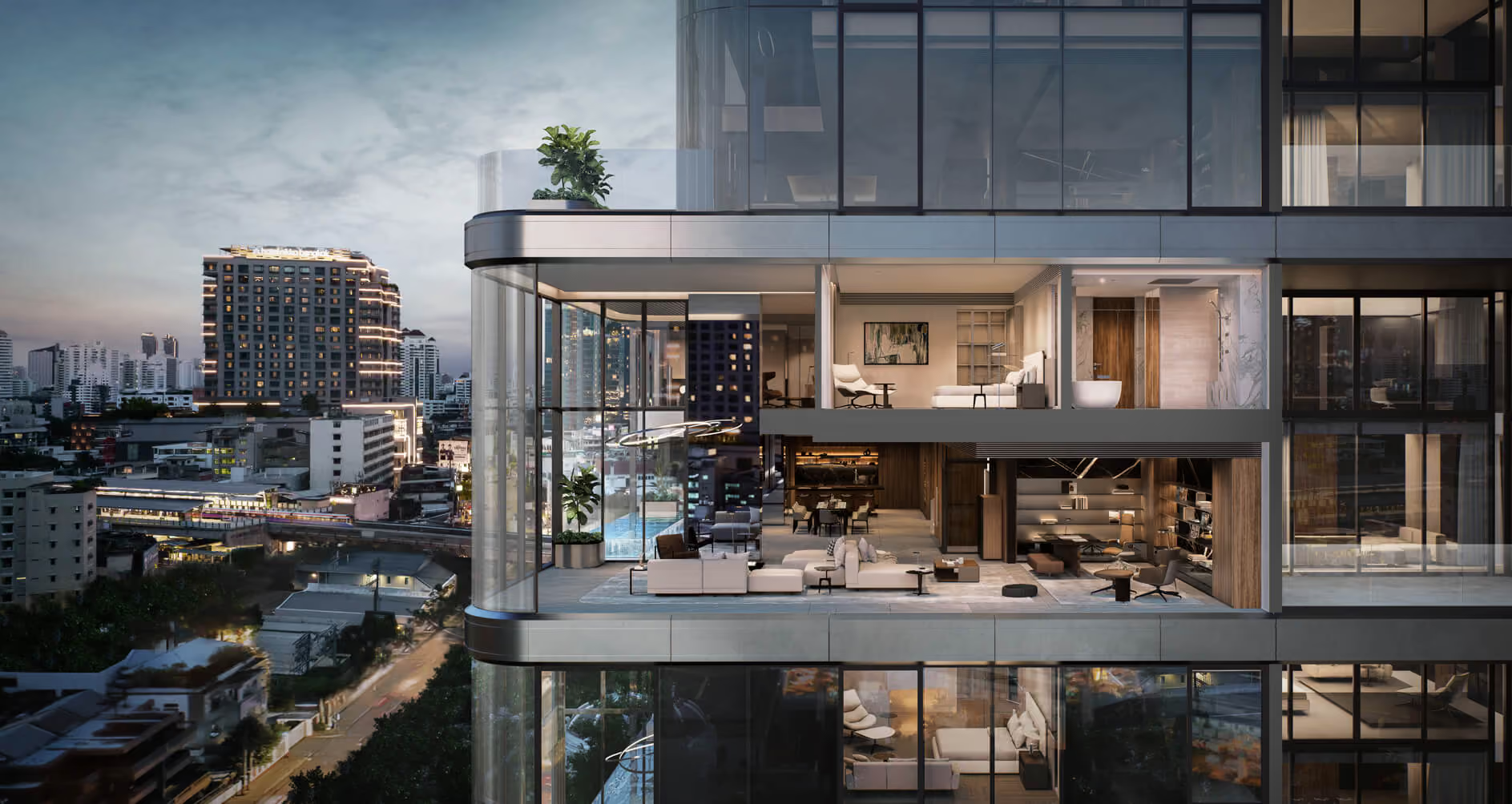
New condos are projects built from the 2000s onward, plus anything recently launched. They lean modern, with contemporary layouts and larger shared facilities. Layouts tend to be more compact and efficient, and the big advantage is that they’re usually ready to move in and easy to rent out.
The trade-off is that you often pay a higher price per square metre and accept slightly lower yields, simply because the local market favours newer buildings.

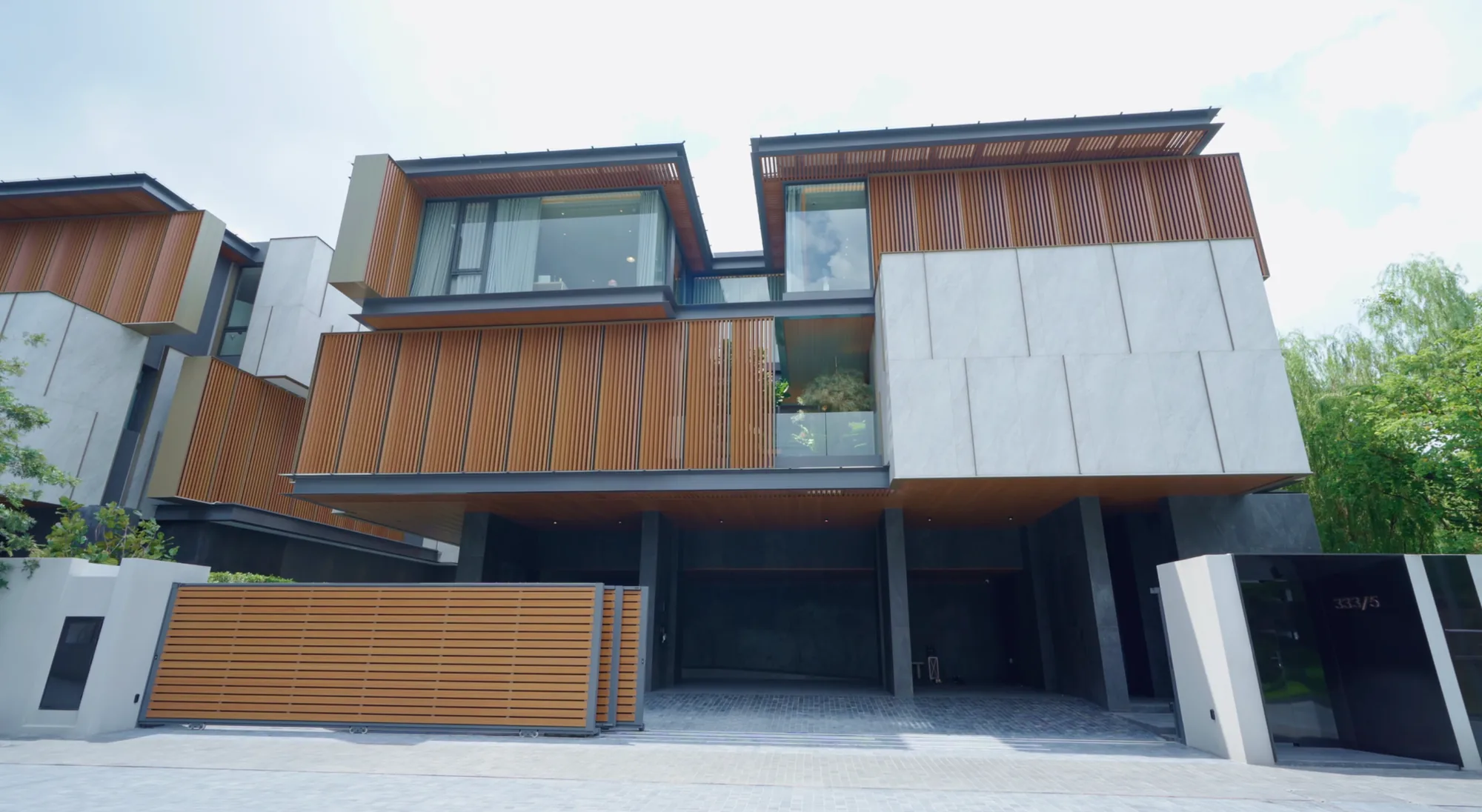
Older condos are usually projects completed in the 1980s or 1990s, around when Thai condominium law was first enacted. They were built on larger formats, so you typically get much bigger unit sizes at a lower price per square metre relative to the area.
That’s why so many investors buy these units and renovate them: modernise the space, then either rent it out at a higher price or flip it for a profit.
Neither is objectively better. Some people simply prefer new, and others are happy to buy something older and do a bit of work. There are opportunities on both sides, so match the choice to your appetite and your timeline.
Strategy 1: Prioritise Rental Yield
Rental income is the main source of return for most Bangkok condo investors, supported by consistent demand from working professionals. A condo with a strong rental yield can generate income from the first month of ownership.
A good yield also tends to indicate a well-located project and a desirable unit.
Yield also says something about price. When one unit offers a higher yield than others in the same building, it is usually priced attractively, often below market value, and this matters because rental income makes up most of an investor’s return.
Typical Bangkok rental yields (as of May 2026) fall into three ranges:
- 2% to 4% is the standard range, and most new projects deliver a return in this band from the start.
- 5% to 6% are less common but can offer attractive returns for investors. Identifying these opportunities often requires more thorough research, careful price negotiations, and sometimes minor improvements, such as upgrading furniture or modernising the interiors to increase rental appeal.
- 6% to 8% and above is rare and usually carries more risk.
Yields in this top range usually come from one of two approaches: buying an older condo and renovating it to command a higher rent, or buying in less central areas, such as outer Bangkok neighbourhoods that are still developing. As these areas develop, resale values can rise as well.
What constitutes a good rental yield depends on an investor’s financial goals and risk tolerance. However, a well-chosen condominium with a strong rental yield can provide a steady source of income and attractive long-term investment potential, provided it maintains consistent tenant demand and occupancy.
Strategy 2: Get the Entry Price Right
Much of the return on a Bangkok condo is decided at the point of purchase rather than at sale, which makes the entry price critical.
Before buying, compare the asking price with similar condos in the area and with other units in the same project. If the price is high but the specifications and layout suit your needs, negotiate until the figure makes sense.
A lower entry price helps in two ways: it raises the rental yield, and it makes a future sale easier, because the unit can be priced competitively while still returning a profit. In Bangkok, buying at a good price is where most of an investor’s profit is made.
Strategy 3: Focus on the Micro Markets
Bangkok is often treated as a single market, but the city is made up of many smaller ones, and each neighbourhood and project has its own strengths and weaknesses.
A standard studio competes with every other studio on the market. Niches where supply is limited face less competition, and that is where the better opportunities tend to be.
A few examples of underserved micro markets:
- Family-sized condos, three bedrooms and over 200 square metres, which remain scarce.
- Pet-friendly units, which remain limited despite steady demand.
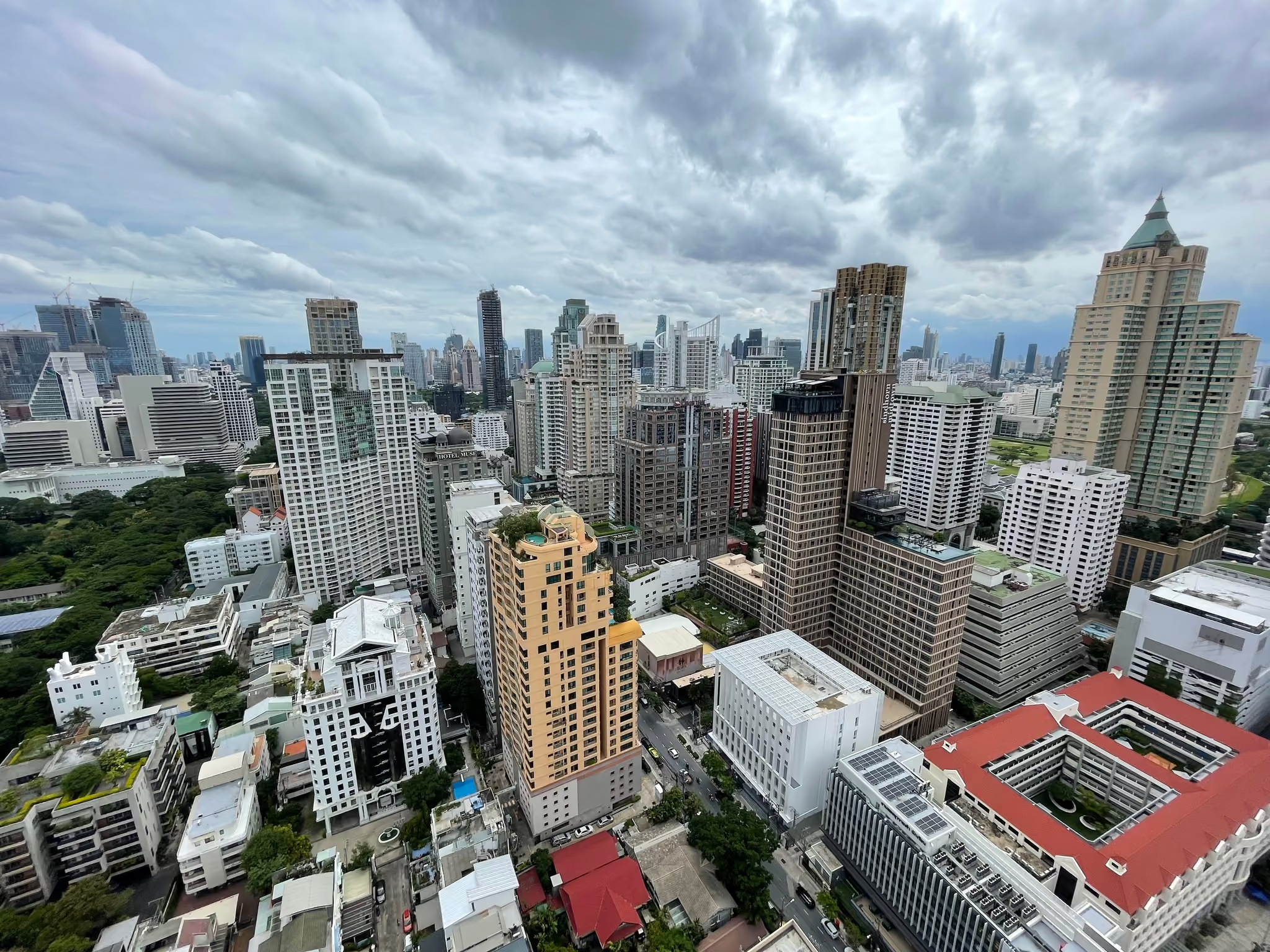
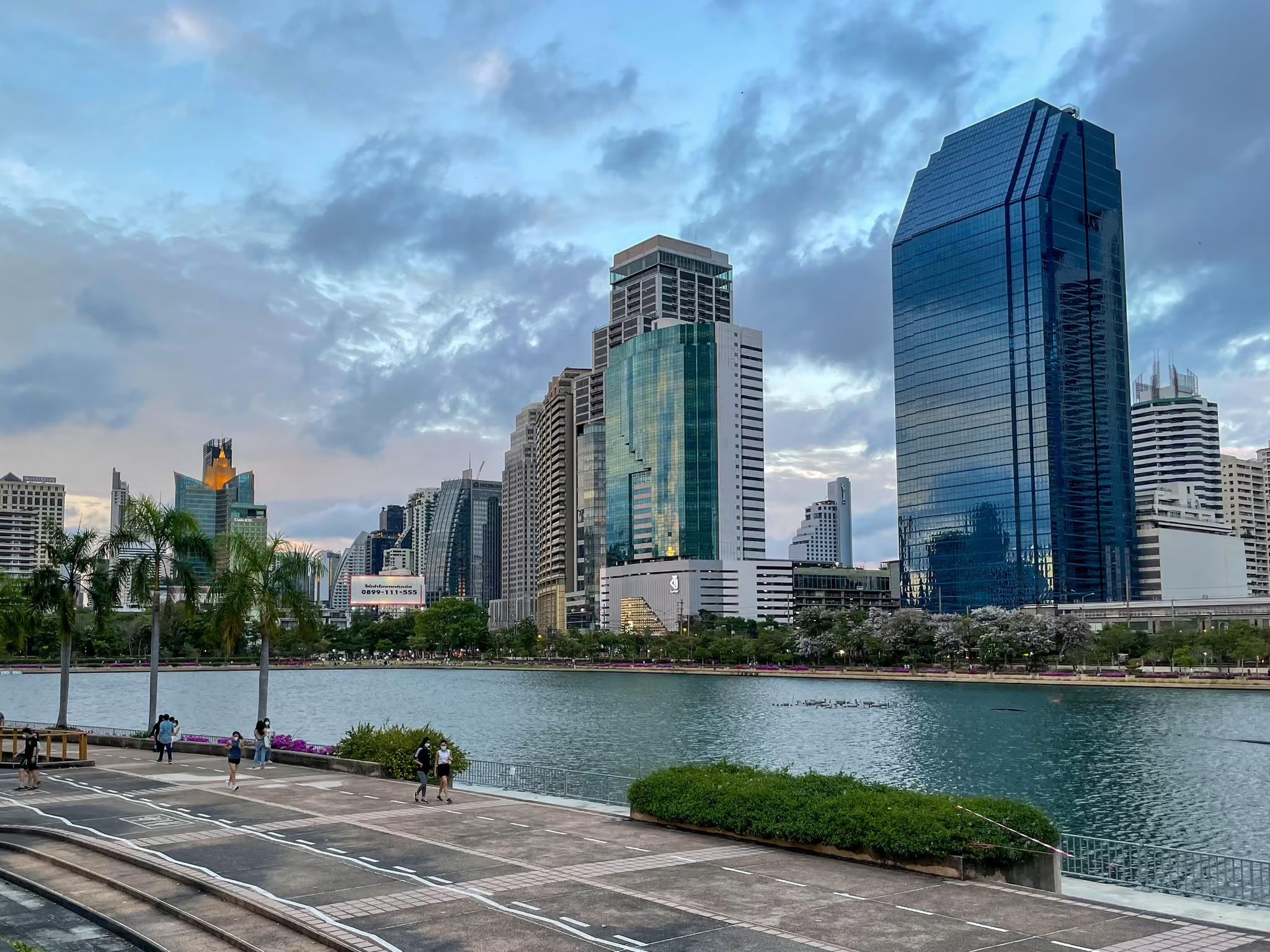
- Units overlooking major green spaces such as Lumpini Park and Benjakitti Park, where the supply of park-facing condos is small.
- River-view condos, ideally units that actually overlook the water, where demand for that lifestyle is strong.
Look for tenants who struggle to find a suitable condo, such as families or pet owners, and buy a unit that meets their needs. These units face less competition and are easier to rent out.

Final Thoughts
Bangkok property investment isn’t about timing a perfect market. It’s about being disciplined on three things: rental yield, entry price, and the specific micro market you buy into. Get those right, and you’re holding a more attractive asset that pays off immediately, even in a softer market.
Ready to compare projects for yourself? Explore Bangkok’s top condo projects, pricing, and unit types on OneListed to find the buildings and neighbourhoods that fit your investment strategy.
Related reading

Interested in Buying Property in Thailand?
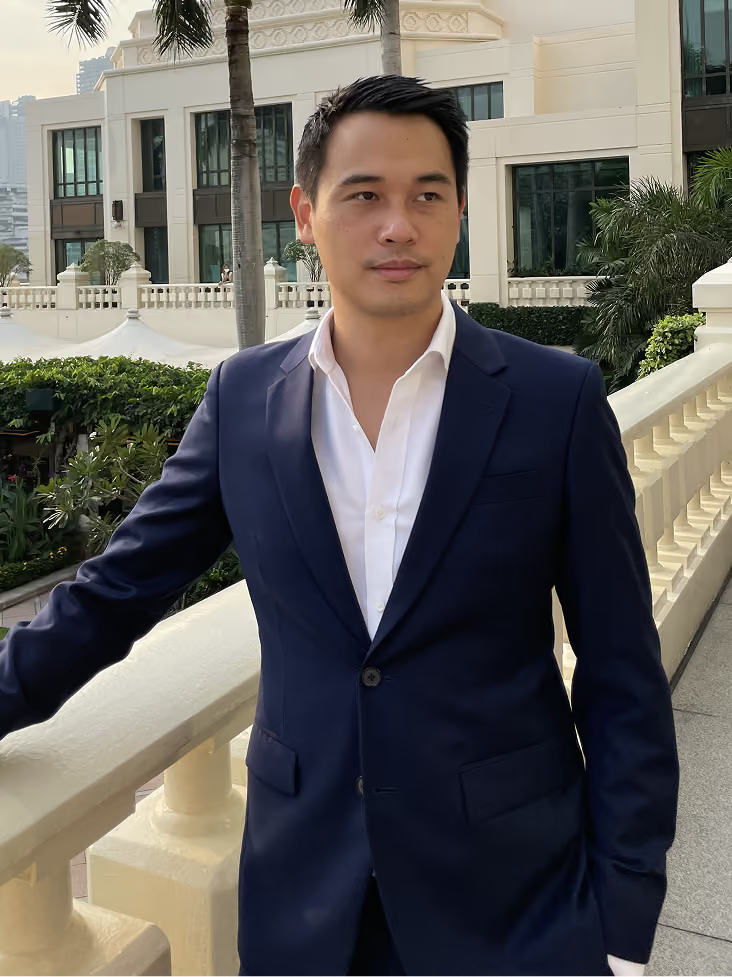
Pierre Leung has spent 10+ years in Thailand's property market. He founded his own boutique agency, later acquired by PropertyScout, where he now serves as Director leading 40+ consultants. He also hosts PierreListed on YouTube, touring the latest projects and sharing expert insights into the local Thailand property market.