















Thailand Property Ownership for Foreigners: A Legal Guide

Can Foreigners Buy Property in Thailand? A Guide to Ownership (2026)
For many foreigners, Thailand starts as a holiday and slowly turns into a plan to stay. Its culture, friendly people and easy pace of life make it one of Asia’s most appealing places to live, and its economy draws investors too. And yes, they can buy property here, within limits set by Thai law.
Can foreigners buy property in Thailand?
A foreigner can own a condominium unit outright, on a freehold basis, registered in their own name. That is the clearest form of ownership available to a non-Thai buyer.
The limit comes from the Land Code, which bars foreigners from owning land. Because of that, a foreigner cannot own a house, villa or townhouse together with the land it sits on. What remains are two established routes: a freehold condominium unit, or a registered lease over a house or land.
Option 1: Freehold condominiums
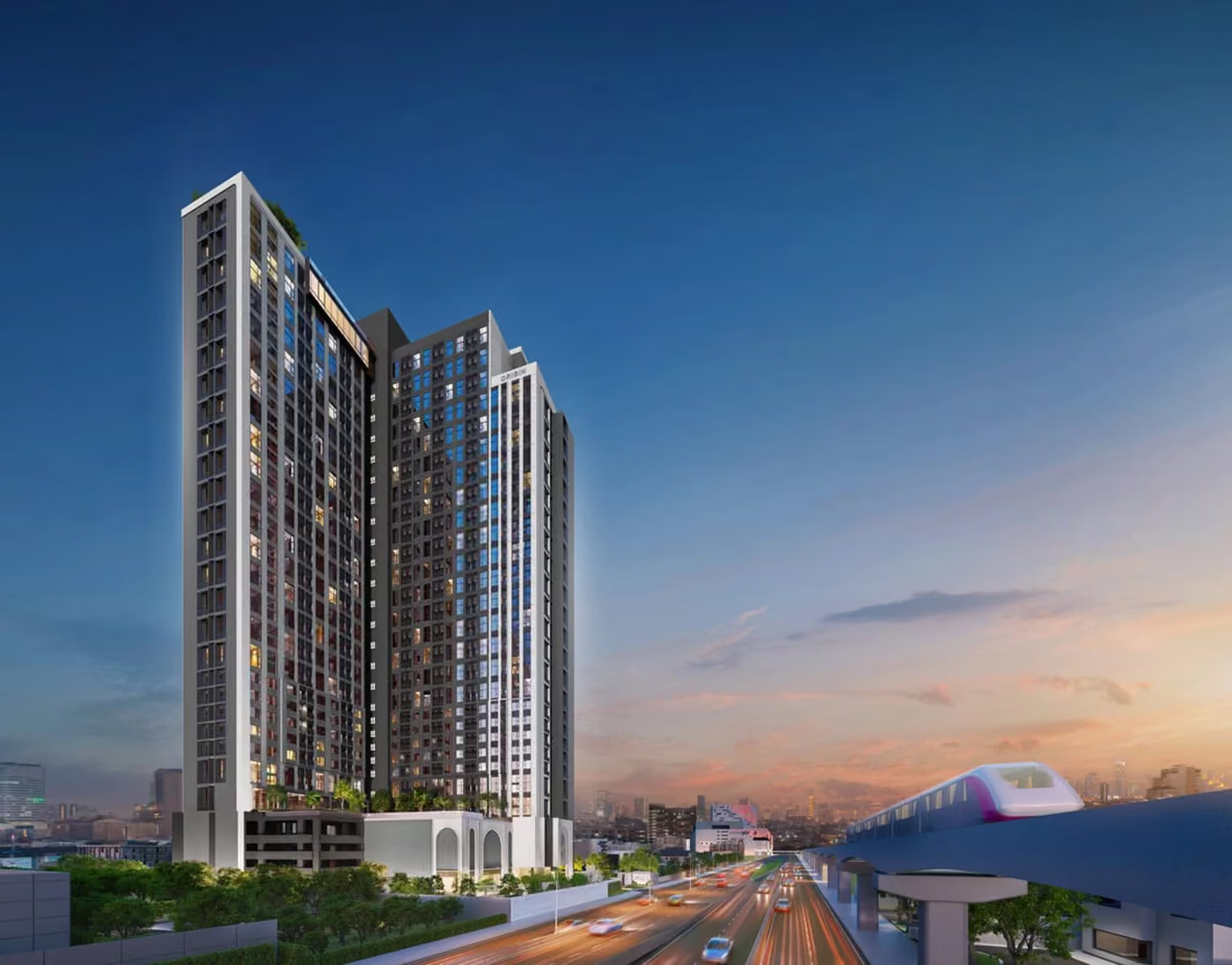
The freehold condominium is the most straightforward route, and it is the one most foreign buyers in Bangkok take. The unit is registered at the Land Department in the buyer's own name, with no time limit, and it can be sold, gifted or inherited like any other asset.
This form of ownership is governed by the Condominium Act B.E. 2522 (1979). Each owner also holds a share of the building's common property, such as the lobby, pool and gym. The common areas are run by the building's juristic person, the management body formed by the owners.
The 49% foreign quota
Foreign owners together can hold up to 49% of the total floor area of all units in a building. The other 51% must be owned by Thai nationals or Thai entities.
The quota is measured by floor area, not by the number of units, so a 100-unit building will not necessarily have exactly 49 units available to foreigners. Popular central Bangkok buildings can fill their foreign quota, especially new launches that sell well to overseas buyers. Before paying a reservation deposit, confirm with the developer or the building's juristic office that foreign quota is available.
Bringing the money in from abroad
To register a condominium in a foreigner's name, the buyer must show that the purchase money came into Thailand in foreign currency, or from a non-resident baht or foreign currency account.
For larger transfers, the receiving bank issues a Foreign Exchange Transaction (FET) form; for smaller transfers, a bank credit advice or confirmation letter is usually accepted. The Land Department asks for this evidence at transfer, so it is worth getting the paperwork right when the funds are sent.
Option 2: Leasehold
For buyers who want a house or villa, the established route is leasehold. Under the Civil and Commercial Code, a lease over land or a building can run for a maximum of 30 years. Any lease longer than three years must be registered at the Land Department.
A registered lease stays in force if the property is sold, and the new owner must honour the remaining term. Leasehold is most common in resort markets such as Phuket, Pattaya and Hua Hin, where many villa developments are sold to foreigners this way.
A note on "30 + 30 + 30" leases
Many developers market leases with two pre-agreed 30-year extensions, described as 90 years of use. These need care.
Thai courts have treated a 30-year lease with two prepaid, pre-agreed extensions as a single 90-year lease designed to get around the 30-year limit, and have held the extension clauses void.
A promise to renew is generally seen as a personal commitment by the landowner, and may not bind a future owner or heir.
The first 30 years of a registered lease are secure; anything beyond that depends on a new agreement made when the time comes.
What has changed, and what hasn't (as of October 2026)
Proposals to loosen the rules appear regularly in the news, so it helps to separate what is law from what is only proposed.
Still under discussion
- Raising the condominium foreign quota to 75%: this was proposed in 2024, with foreign voting rights in the building capped at 49%. Cabinet approved it for further study only, and no bill has been put forward.
- 99-year leases: a 2025 draft amendment to the Rights over Leasehold Assets Act would allow rights of up to 99 years, but only over state-owned property, not private land or condominium units. The Land Department held a public consultation in August and September 2025, and the draft has not been approved by cabinet.
Unchanged
- The 49% condominium quota, the 30-year lease limit and the restriction on foreign land ownership all still stand.
- 50-year leases exist for commercial and industrial use under a separate 1999 law, but they are not available for residential purchases.
Costs to budget for
The main cost for a buyer is the 2% transfer fee, calculated on the Land Department's appraised value.
Who pays it is set by the sale contract; on resale units it is commonly split between buyer and seller.
Sellers usually also pay withholding tax and either specific business tax or stamp duty, depending on how long they have owned the property. Developers often handle these differently on new projects, so check the contract before signing.
Before you buy
- Check that foreign quota is available before paying a reservation deposit.
- Send the purchase funds from abroad in foreign currency and keep the bank paperwork.
- For leasehold, make sure the lease is registered at the Land Department and read the renewal terms carefully.
- Buyers may wish to engage an independent lawyer to review the contract and verify the property title before signing.
This guide is general information, not legal advice. Laws and how they are applied can change, so confirm your own situation with a qualified Thai lawyer.
Interested in Buying Property in Thailand?